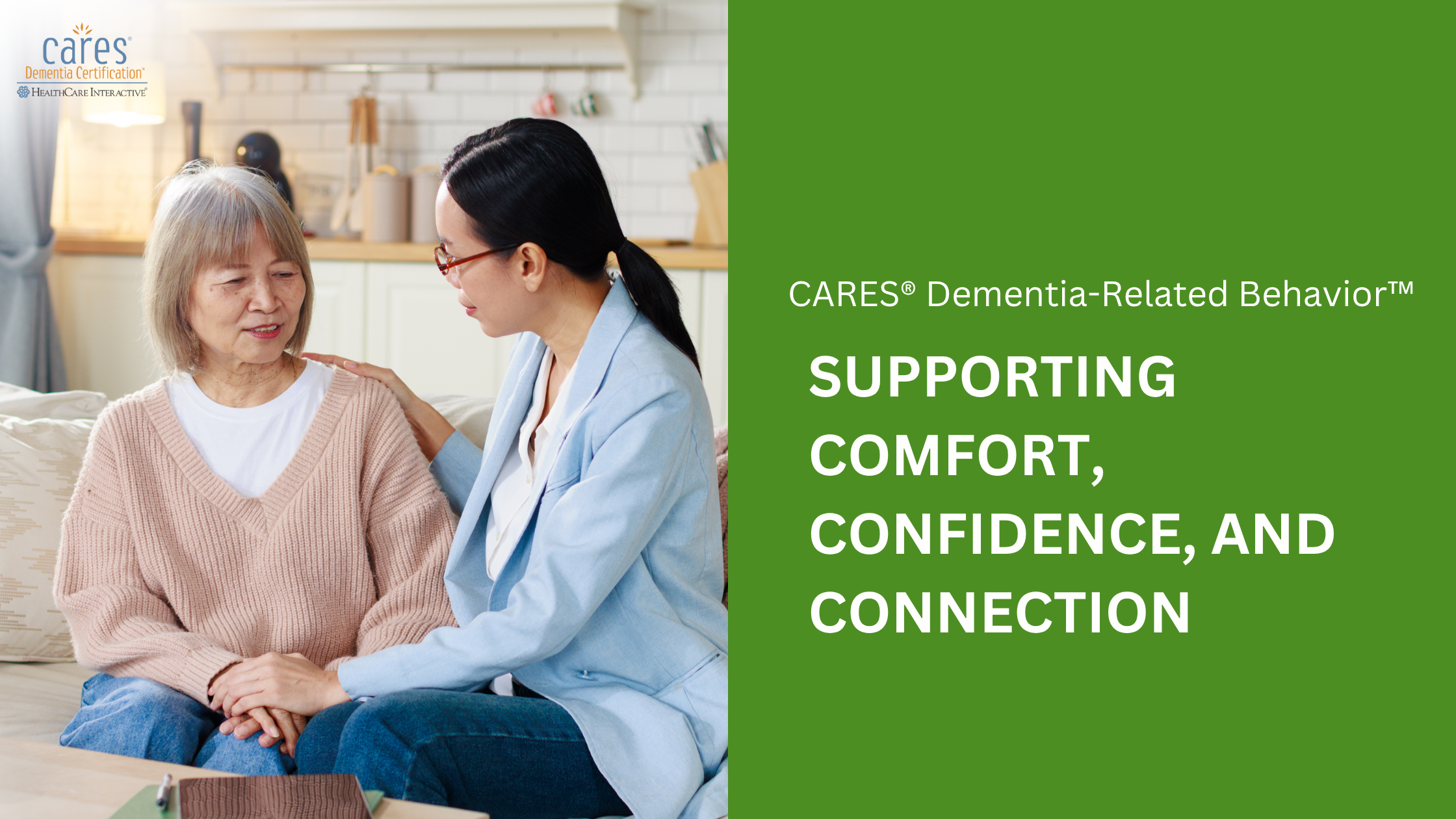

Dressing a Person with Dementia

Helping a person living with dementia maintain proper dressing and grooming habits demonstrates respect for the individual and their family members. A comfortable person is more likely to feel relaxed, confident, and engaged throughout the day.

Dressing can sometimes be challenging for people with dementia, especially when they feel confused or unsure about what is happening. The CARES® Approach encourages caregivers to communicate clearly, remain calm, and focus on the individual’s emotional needs during care.

Strategies That Support Successful Dressing Care

Caregivers can make dressing easier by following person-centered care practices, including:

• Introducing yourself and addressing the person by name
• Using a calm, gentle, and reassuring voice
• Explaining each step before and during care
• Paying attention to the person’s mood and comfort level
• Allowing the individual to participate whenever possible
• Remaining patient during repetitive speech or behaviors
• Responding calmly if the person becomes upset or agitated
• Respecting clothing preferences and personal routines

These simple strategies help reduce anxiety, build trust and create a greater sense of comfort during daily care activities.

The Importance of Individualized Care

Every person with dementia responds differently from moment to moment. Family members can provide valuable information about clothing preferences, routines and personal habits. Understanding these preferences helps caregivers deliver more respectful and individualized support.

By combining patience, clear communication, and compassion, the CARES® Approach helps individuals living with dementia feel comfortable, respected and supported. Even small acts of understanding can make dressing and grooming a more positive experience for everyone involved.

Enhance your approach to dressing and grooming support with person-centered dementia care strategies. Build your caregiving skills with CARES® Training and enjoy 10% off with code SummerFun through August 31, 2026.

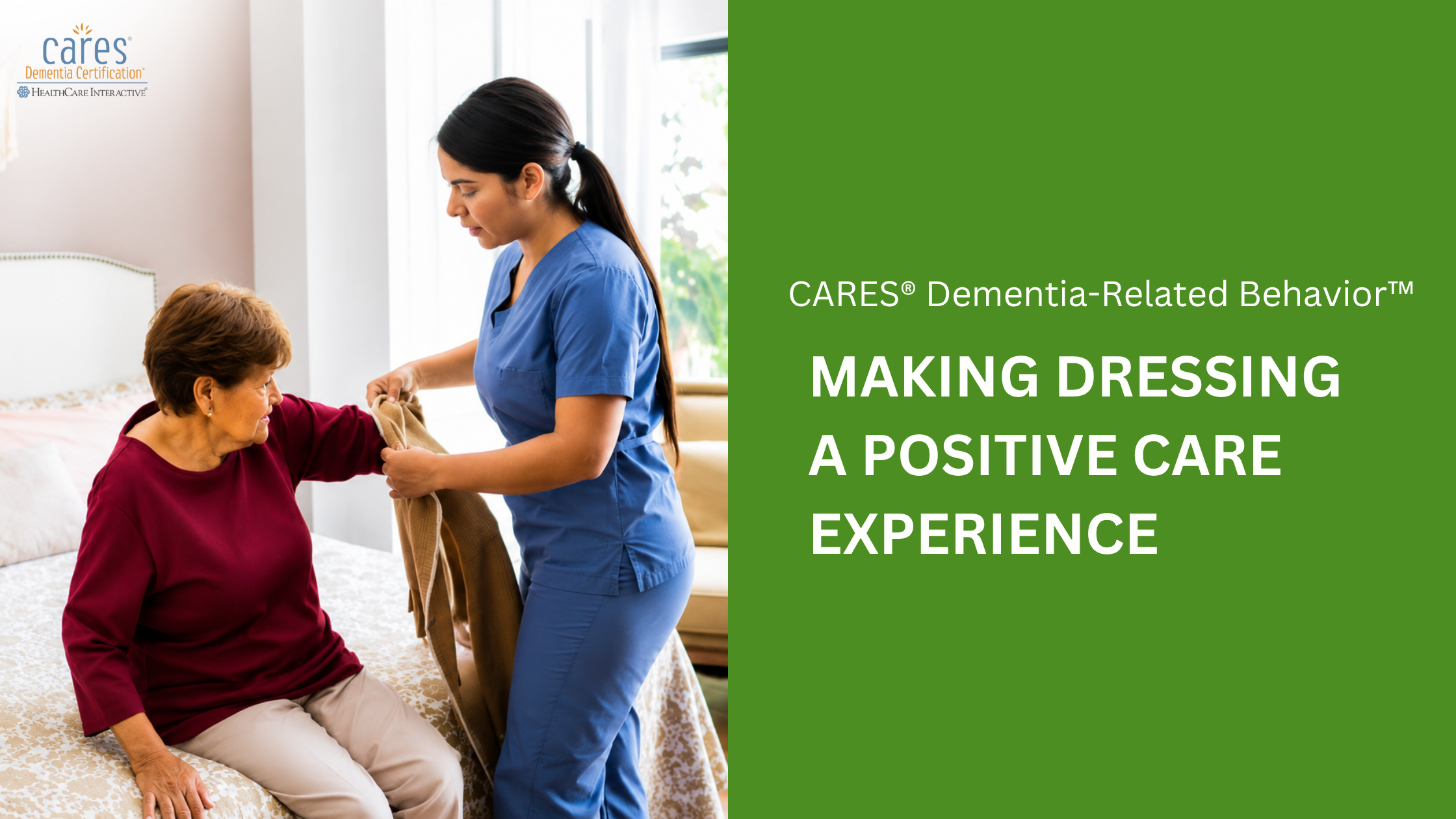
Supporting Comfort and Confidence Through Dressing

Getting dressed is a routine many of us take for granted, yet it plays an important role in how we feel each day. The clothing we choose reflects our personality, preferences, and sense of identity. For people living with dementia, these preferences remain important, even when they need assistance with dressing.

Promoting Comfort and Independence

As dementia progresses, individuals may need support selecting clothing or completing the dressing process. A compassionate, person-centered approach can help make dressing a more comfortable and positive experience. Respecting personal preferences, offering simple choices, and allowing individuals to participate as much as possible helps preserve dignity and independence.

Comfort also matters. Clothing that fits well, feels comfortable, and reflects a person’s usual style can improve confidence and emotional well-being. Familiar colors, fabrics, and outfits may provide reassurance and help individuals feel more like themselves.

Using Compassionate Support During Dressing

Dressing assistance should focus on the person, not just the task. Caregivers can use the CARES® Approach by communicating calmly, explaining each step, and responding with patience and empathy. Understanding the individual’s preferences and routines can reduce frustration and make the experience more positive.

Family members may also have concerns about clothing choices or appearance. Open communication and a focus on the person’s comfort and preferences can help build trust and support collaborative care.

By prioritizing comfort, choice, and dignity, caregivers can transform a daily task into an opportunity to support confidence, well-being, and person-centered care.

Help individuals feel comfortable, confident, and respected through person-centered support. Strengthen your caregiving skills with CARES® Training and enjoy 10% off with code SummerFun through May 31, 2026.

The Importance of Clothing, Choice, and Identity in Care

What we wear each day is more important than many people realize. Clothing reflects our personality, preferences, comfort, and sense of identity. The colors we choose, the outfits we enjoy, and even the clothes we wear at home can influence how we feel about ourselves. For people living with dementia, these preferences remain meaningful and should continue to be respected.

Clothing Is More Than Just Getting Dressed

Many people have favorite colors, preferred styles, or outfits that make them feel comfortable and confident. Some enjoy dressing up for special occasions, while others prefer casual, comfortable clothing. Wearing something uncomfortable or unfamiliar can affect mood, confidence, and overall well-being.

As dementia progresses, individuals may have difficulty expressing their clothing preferences, but that does not mean those preferences disappear. Person-centred care involves learning about and honoring the individual’s likes, dislikes, routines, and personal style whenever possible.

Supporting Dignity Through Personal Choice

Allowing people living with dementia to participate in clothing choices helps preserve dignity, independence, and self-expression. Caregivers can support this by offering simple choices, selecting comfortable clothing, and paying attention to favorite colors, fabrics, and familiar outfits.
Small efforts to respect personal preferences can provide reassurance and create a greater sense of comfort. Clothing can also serve as a connection to a person’s identity, life experiences, and personal history.

By recognizing the importance of clothing and personal choice, caregivers can create more positive daily experiences that promote confidence, comfort, and emotional well-being.

Support person-centred care by learning how everyday choices can enhance dignity and quality of life. Strengthen your caregiving skills with CARES® Training and enjoy 10% off with code SummerFun through August 31, 2026.
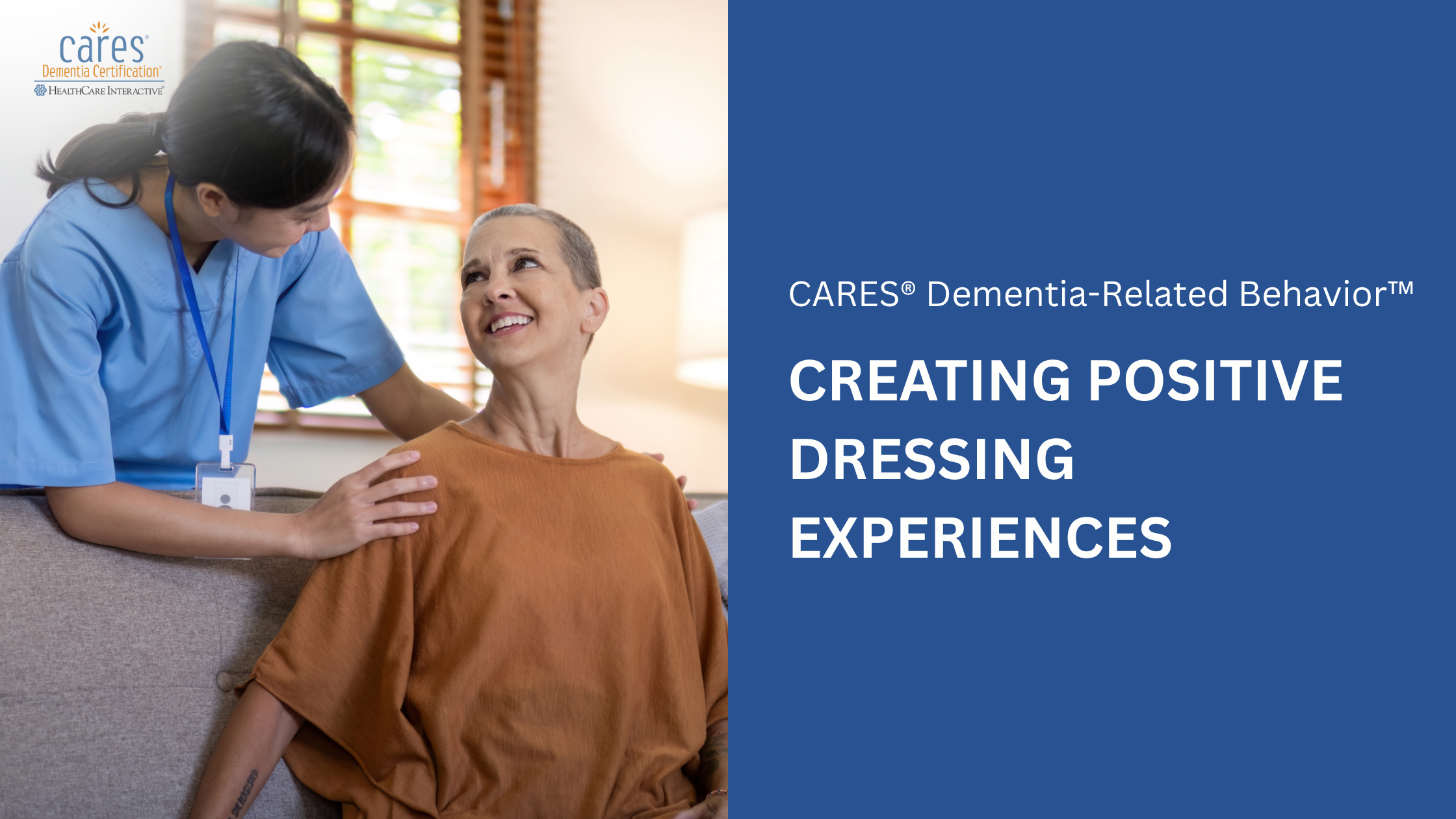
Values That Define Compassionate Dementia Care

Providing quality dementia care is much more than helping with physical needs. It is about treating every individual with compassion, dignity, patience and understanding. Strong dementia care values help caregivers create meaningful connections while supporting emotional well-being and comfort throughout the care journey.

People living with dementia may sometimes express themselves in confusing or challenging ways. Changes in memory, communication, and behavior can lead to frustration, anger, fear or socially inappropriate actions. Instead of judging these behaviors, caregivers should focus on understanding the person behind the condition. Person-centered dementia care encourages caregivers to respond with empathy, reassurance, and respect rather than criticism or frustration.

alues That Strengthen Dementia Care

Caregivers can provide more supportive and respectful care by practicing important values every day, including:

• Showing compassion during difficult moments
• Remaining calm, patient and understanding
• Respecting the dignity and individuality of each person
• Avoiding judgment about dementia-related behaviors
• Listening carefully to both families and individuals living with dementia
• Understanding that behaviors are often caused by brain changes, not personal choice
• Supporting emotional comfort and reassurance
• Respecting different family, cultural, and faith perspectives
• Communicating gently and positively
• Creating a safe and supportive environment

These caregiving values help individuals living with dementia feel heard, respected, and emotionally secure.

Understanding Different Perspectives

Families and caregivers may sometimes view situations differently based on personal experiences, emotions, and values. Building respectful partnerships between families and staff is essential for quality dementia care. When caregivers remain open-minded and person-centered, they create stronger trust and better support for everyone involved.

Compassionate dementia care begins with understanding, respect and the willingness to see the person beyond the diagnosis.

Strengthen your understanding of dementia care values and learn how compassionate, person-centered approaches can improve support for individuals and families. Enhance your caregiving skills with CARES® Training and enjoy 10% off with code SummerFun through August 31, 2026.
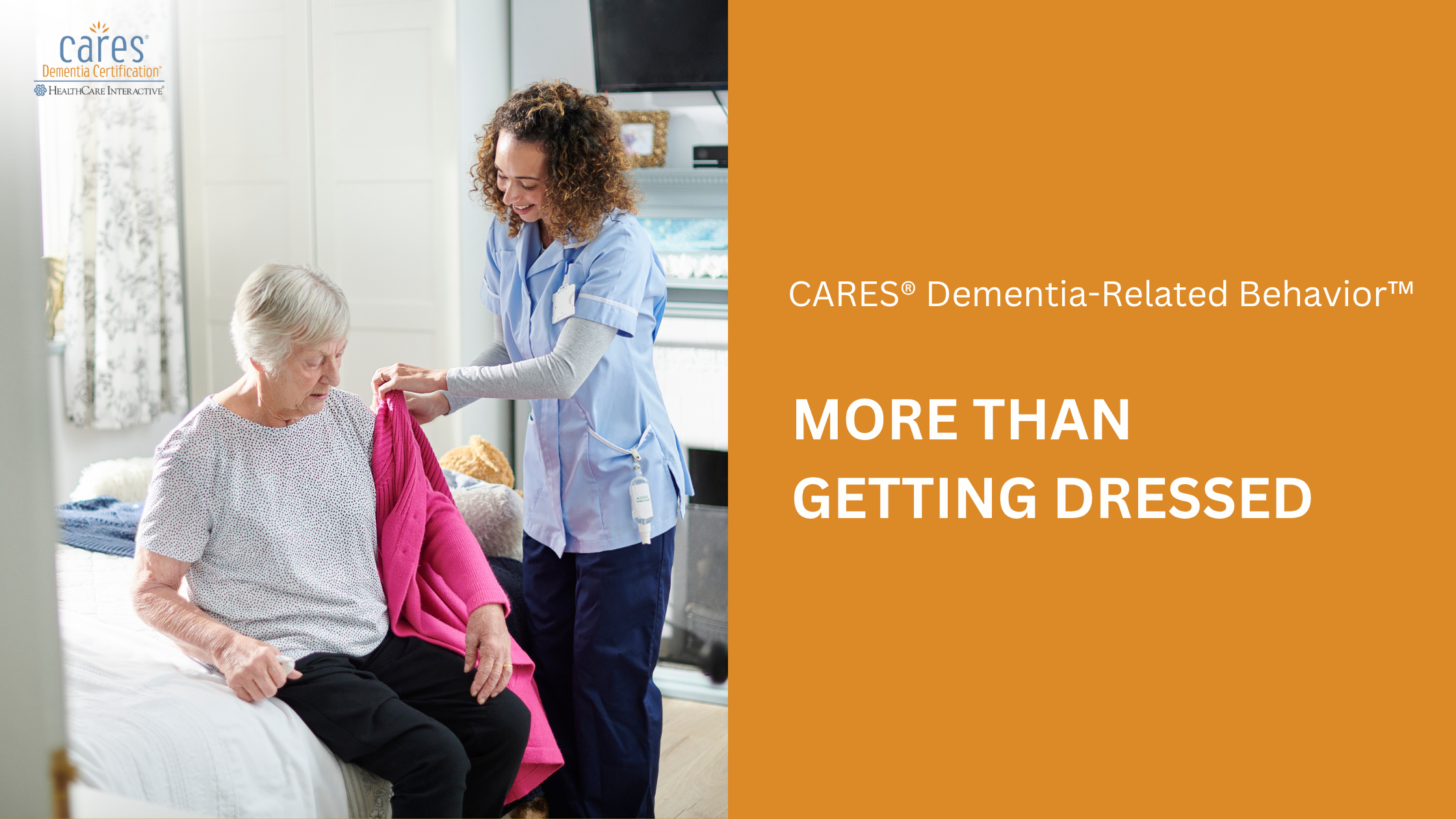
Effective Dementia Behavior Strategies for Compassionate Care

Supporting a person living with dementia can sometimes involve responding to challenging behaviors such as agitation, repeating questions, resisting care, or aggression. These behaviors are often linked to fear, confusion, discomfort, or unmet needs rather than intentional actions. Understanding this is an important part of using effective dementia behavior strategies in daily care.

Understanding Behavioral Symptoms of Dementia

Behavioral symptoms of dementia can appear in many ways, including calling out, swearing, wandering, or becoming physically upset. Caregivers who respond with empathy, patience, and reassurance can help reduce stress and create a calmer environment. Gentle communication, explaining each step of care, and avoiding arguments are important dementia caregiving techniques that support comfort and trust.
It is also important to identify possible triggers such as pain, overstimulation, hunger, or unfamiliar surroundings. Recognizing these triggers can play a key role in reducing agitation in dementia and preventing behaviors from escalating.

Creating Calm and Positive Care Experiences

Managing dementia aggression and other challenging behaviors requires a calm, professional, and person-centred approach. Simple strategies such as distraction, reassurance, music, or engaging the person in a comforting activity can help redirect attention and improve emotional well-being.
Every person living with dementia is unique, which is why flexibility and understanding are essential. By focusing on compassionate support and meaningful connection, caregivers can create more positive daily experiences for the individuals they support.

Strengthen your caregiving confidence with practical dementia behavior strategies and compassionate care techniques through CARES® Training. Enjoy 10% off with code SummerFun through August 31, 2026.
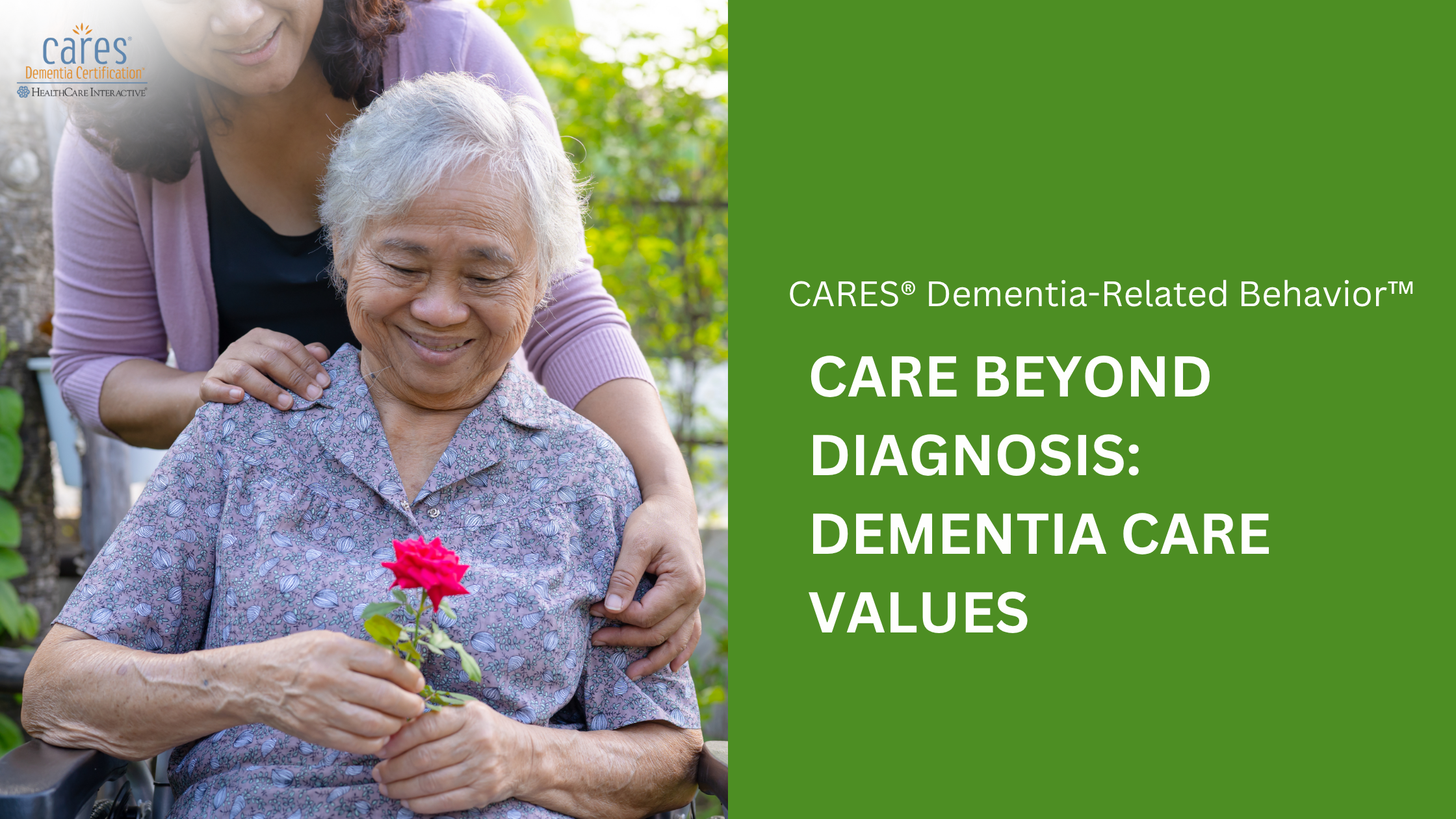
Building Confidence Through Compassionate Communication

Supporting a person living with dementia requires patience, empathy, and effective communication. Everyday conversations and interactions can influence how safe, respected, and understood a person feels. A calm and supportive approach helps reduce stress while encouraging more positive daily experiences.
People living with dementia may have difficulty processing information, expressing emotions, or responding to changes in their environment. Professional caregivers can provide reassurance by speaking clearly, maintaining a calm tone, and offering simple guidance during care activities. Compassionate communication helps individuals feel more comfortable and connected.

Creating Positive and Supportive Interactions

Positive interactions are built on understanding and flexibility. Instead of focusing only on completing tasks, caregivers should focus on the person’s emotional and physical needs. Listening carefully, observing reactions, and adapting approaches when needed can help prevent frustration and confusion.
Gentle reassurance and respectful communication also strengthen trust between caregivers and individuals living with dementia. Even small moments of kindness and patience can make a meaningful difference in a person’s emotional well-being.

Encouraging Dignity and Meaningful Connection

Person-centred support encourages individuals to participate in daily activities at their own pace whenever possible. Supporting independence helps maintain confidence, dignity, and a sense of purpose.
Creating meaningful connections through compassionate care not only improves quality of life for people living with dementia but also helps caregivers build more positive and rewarding relationships.

Strengthen your caregiving approach by improving communication, building trust, and supporting meaningful connections. Advance your skills with CARES® Training and enjoy 10% off with code SummerFun through August 31, 2026.

Supporting Positive Daily Experiences for People Living with Dementia

Providing care for a person living with dementia involves more than helping with routines and daily tasks. Compassionate caregiving focuses on creating comfort, reducing stress, and supporting meaningful human connection. A calm and understanding approach can help individuals feel safe, respected, and emotionally supported throughout the day.
People living with dementia may experience confusion, frustration, or difficulty expressing their needs. Caregivers who communicate with patience and empathy can make daily interactions more positive and reassuring. Simple techniques such as speaking clearly, offering gentle guidance, and maintaining a calm tone can help reduce anxiety and build trust.

The Importance of Person-Centred Support

Every individual living with dementia has unique experiences, preferences, and abilities. Person-centred support means focusing on the individual rather than only the task. Learning about a person’s routines, interests, and comfort preferences can help caregivers provide more meaningful and personalized care.
Flexibility is also important. What works well one day may not work the same way the next. Adapting care approaches with patience and understanding can help prevent frustration and encourage cooperation.

Encouraging Comfort, Confidence, and Connection

Creating positive experiences can improve emotional well-being for both caregivers and the people they support. Encouraging independence during daily activities, offering reassurance during difficult moments, and responding with compassion can help individuals maintain dignity and confidence.
Meaningful connections are built through kindness, respect, and supportive communication. Even small moments of reassurance can make a lasting impact on a person living with dementia.

Strengthen your caregiving approach by building compassionate communication skills and creating more positive daily experiences. Enhance your knowledge with CARES® Training and enjoy 10% off with code SummerFun through August 31, 2026.
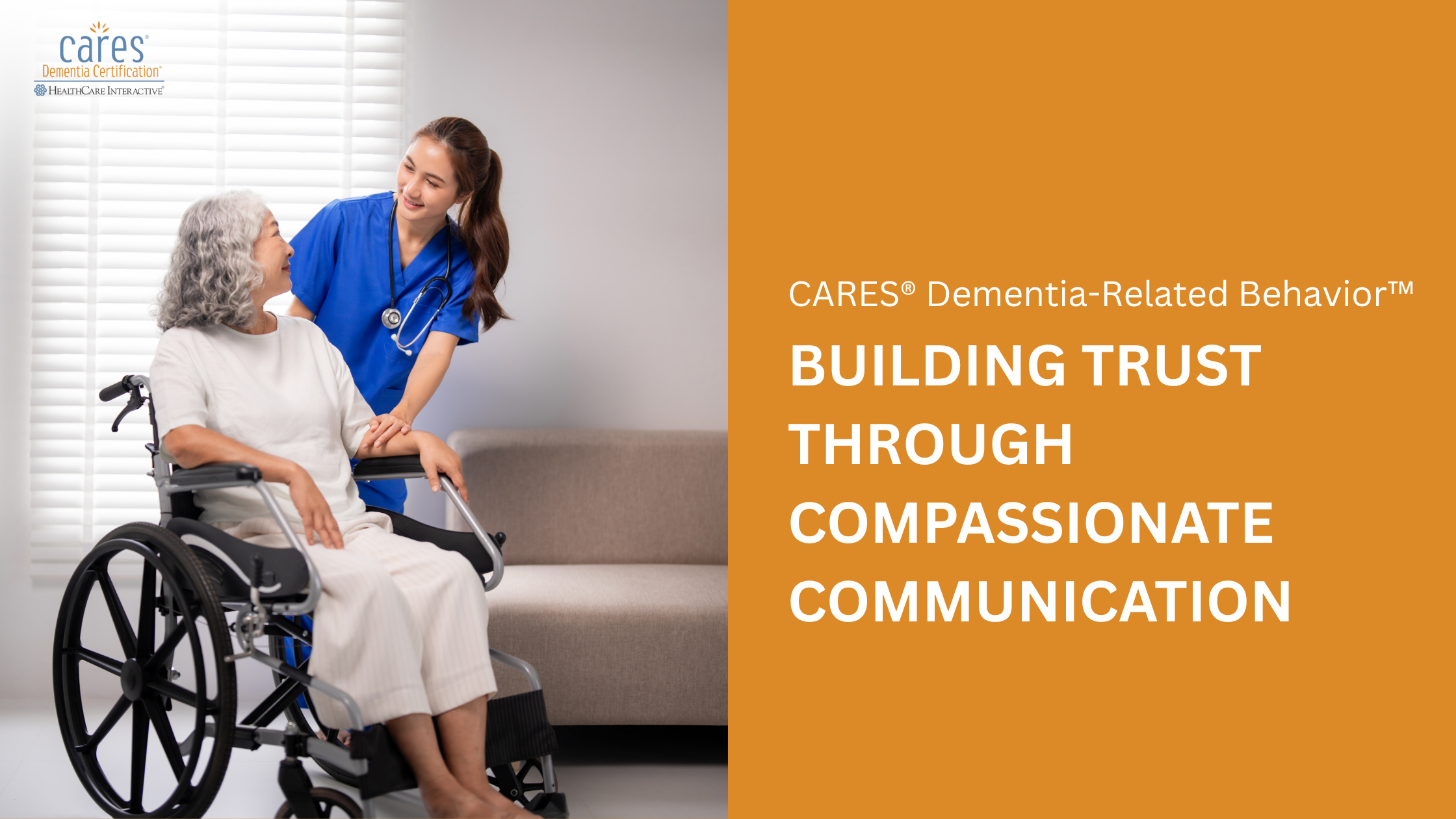
Creating Calm and Comfort in Dementia Care

Providing care for a person living with dementia requires patience, empathy, and understanding. Everyday interactions can greatly affect how a person feels, responds, and connects with others. A calm, compassionate approach helps reduce confusion and creates a more positive care experience.
People living with dementia may struggle to express their needs, understand instructions, or manage emotions. Professional caregivers can provide reassurance by focusing on clear communication, gentle support, and meaningful connection. Small actions such as speaking calmly, maintaining eye contact, and explaining each step of care can help individuals feel safe and respected.

Building Trust Through Compassionate Care

Trust is an important part of dementia care. Caregivers who remain patient and flexible are better able to respond to changing needs and behaviors. Instead of correcting or arguing, responding with empathy and understanding can help prevent frustration and emotional distress.
Person-centred care also means recognizing each individual’s unique preferences, routines, and abilities. Encouraging participation in daily activities helps maintain dignity, confidence, and independence for as long as possible.

Supporting Positive Care Experiences

A supportive environment benefits both caregivers and people living with dementia. Compassionate communication, emotional reassurance, and respectful care approaches can improve daily interactions and strengthen relationships.
By focusing on comfort, understanding, and connection, caregivers can create meaningful moments that positively impact quality of life.

Enhance your dementia care approach by strengthening communication, building trust, and supporting meaningful connections. Grow your caregiving skills with CARES® Training and enjoy 10% off with code SummerFun through August 31, 2026.