

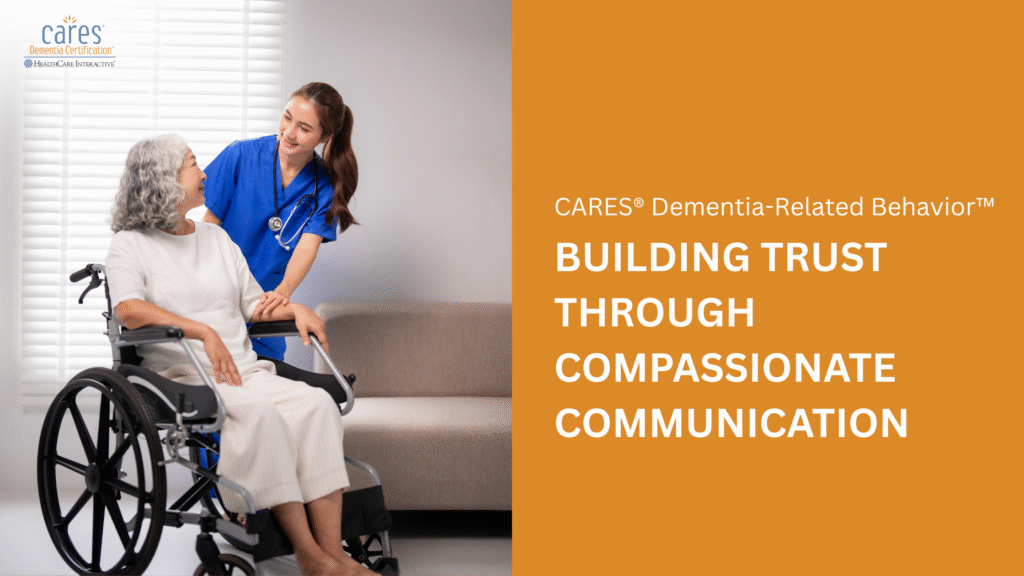
Supporting a person living with dementia requires patience, empathy, and effective communication. Everyday conversations and interactions can influence how safe, respected, and understood a person feels. A calm and supportive approach helps reduce stress while encouraging more positive daily experiences.
People living with dementia may have difficulty processing information, expressing emotions, or responding to changes in their environment. Professional caregivers can provide reassurance by speaking clearly, maintaining a calm tone, and offering simple guidance during care activities. Compassionate communication helps individuals feel more comfortable and connected.
Creating Positive and Supportive Interactions
Positive interactions are built on understanding and flexibility. Instead of focusing only on completing tasks, caregivers should focus on the person’s emotional and physical needs. Listening carefully, observing reactions, and adapting approaches when needed can help prevent frustration and confusion.
Gentle reassurance and respectful communication also strengthen trust between caregivers and individuals living with dementia. Even small moments of kindness and patience can make a meaningful difference in a person’s emotional well-being.
Encouraging Dignity and Meaningful Connection
Person-centred support encourages individuals to participate in daily activities at their own pace whenever possible. Supporting independence helps maintain confidence, dignity, and a sense of purpose.
Creating meaningful connections through compassionate care not only improves quality of life for people living with dementia but also helps caregivers build more positive and rewarding relationships.
Strengthen your caregiving approach by improving communication, building trust, and supporting meaningful connections. Advance your skills with CARES® Training and enjoy 10% off with code SummerFun through August 31, 2026.