

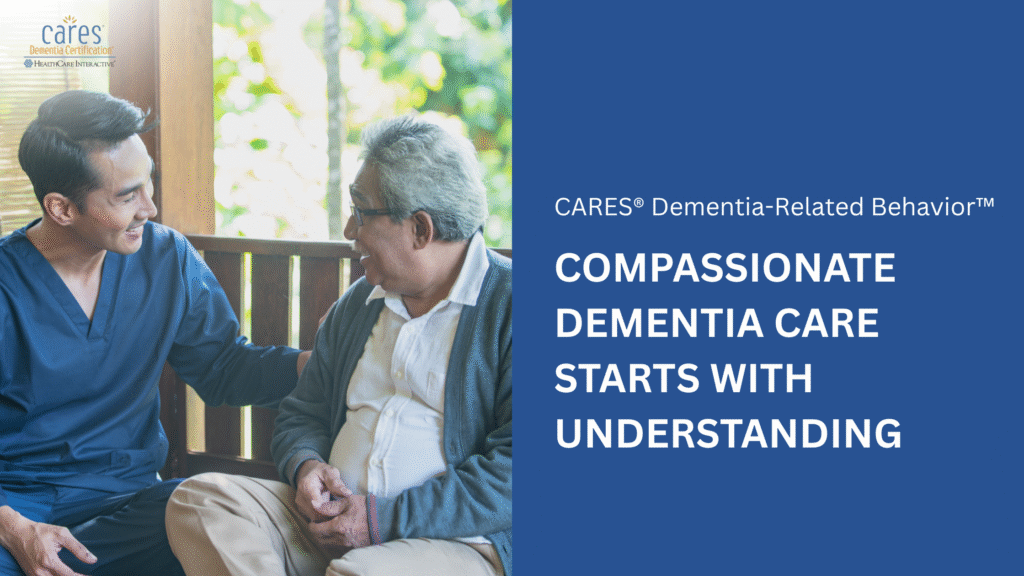
Supporting a person living with dementia can sometimes involve responding to challenging behaviors such as agitation, repeating questions, resisting care, or aggression. These behaviors are often linked to fear, confusion, discomfort, or unmet needs rather than intentional actions. Understanding this is an important part of using effective dementia behavior strategies in daily care.
Understanding Behavioral Symptoms of Dementia
Behavioral symptoms of dementia can appear in many ways, including calling out, swearing, wandering, or becoming physically upset. Caregivers who respond with empathy, patience, and reassurance can help reduce stress and create a calmer environment. Gentle communication, explaining each step of care, and avoiding arguments are important dementia caregiving techniques that support comfort and trust.
It is also important to identify possible triggers such as pain, overstimulation, hunger, or unfamiliar surroundings. Recognizing these triggers can play a key role in reducing agitation in dementia and preventing behaviors from escalating.
Creating Calm and Positive Care Experiences
Managing dementia aggression and other challenging behaviors requires a calm, professional, and person-centred approach. Simple strategies such as distraction, reassurance, music, or engaging the person in a comforting activity can help redirect attention and improve emotional well-being.
Every person living with dementia is unique, which is why flexibility and understanding are essential. By focusing on compassionate support and meaningful connection, caregivers can create more positive daily experiences for the individuals they support.
Strengthen your caregiving confidence with practical dementia behavior strategies and compassionate care techniques through CARES® Training. Enjoy 10% off with code SummerFun through August 31, 2026.