
How Dementia Care Communication Strengthens Emotional Support and Daily Living?

The Importance of Dementia Care Communication

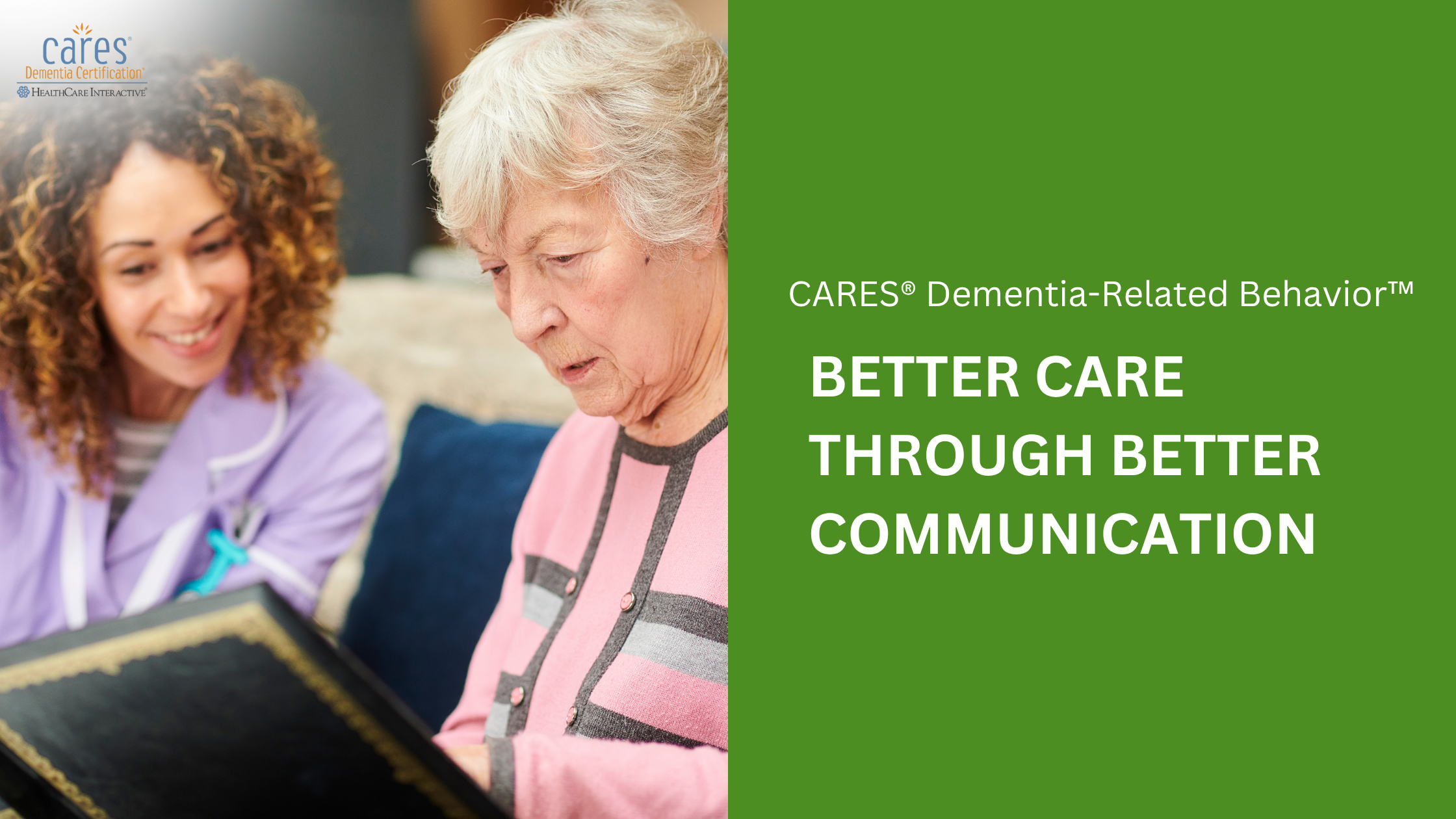
Dementia care communication is the foundation of compassionate caregiving. As memory and understanding decline, the way caregivers speak, listen, and respond can greatly influence how safe and supported a person feels.

Helpful communication approaches include:

• Speak slowly and use simple, clear sentences
• Maintain eye contact and a calm tone
• Approach from the front to avoid startling the person
• Use the person’s name and offer reassurance
• Allow extra time for responses
These small adjustments reduce confusion and build trust.

Supporting Emotional Well-Being and Daily Routine

Effective communication plays a vital role in both dementia care emotional support and maintaining a stable daily routine. When individuals feel heard, understood, and gently guided, everyday activities become less overwhelming and more manageable. Caregivers can provide comfort by validating feelings rather than correcting facts, using gentle touch when appropriate, talking about familiar people or memories, and offering reassurance during moments of anxiety. Feeling understood can greatly reduce fear and loneliness.

Clear communication also helps create consistency in daily life. Explaining each step before starting a task, giving advance notice before transitions, offering simple choices such as “Would you like tea or water?”, and keeping routines predictable and calm all support independence and confidence. Together, emotional reassurance and structured guidance help individuals feel safe, respected, and more in control of their day

Managing Behaviours with Compassion

Many challenging behaviours are expressions of unmet needs. Thoughtful communication provides essential dementia care behavioural support.

Helpful strategies include:

• Observe nonverbal cues for discomfort or pain
• Redirect attention to calming activities
• Stay patient and avoid arguing
• Use encouragement and praise
A calm response can prevent escalation.

Improving Overall Quality of Life

All these approaches contribute to better dementia care quality of life. When individuals feel safe, respected, and emotionally supported, they are more engaged and cooperative. In dementia care, communication is not just about words—it is a daily tool for preserving dignity, reducing stress, and nurturing meaningful human connection.

Strengthen your dementia care communication skills and learn how to support emotional well-being with confidence and compassion. Build your expertise with CARES® Training and enjoy 10% off with code SpringFlowers26 through May 31, 2026.

The Benefits of Making Personal Connections in Dementia Care

Caring for a person living with dementia involves more than assisting with daily tasks such as feeding, bathing, or personal care. While these responsibilities are essential, meaningful human connection often has an even greater impact on overall well-being. By building personal relationships, caregivers support not only physical needs but also emotional, social, and psychological health. These connections benefit everyone involved—the individual with dementia, their loved ones, and the entire care team.

Supporting Emotional and Social Needs

People living with dementia continue to have a strong need for connection and meaningful interaction. Caregivers can support these needs through simple, thoughtful actions such as:
Sitting beside the person to show presence and support.
Making gentle eye contact to create a sense of connection and understanding.
Speaking in a calm and reassuring voice to help reduce confusion or anxiety.
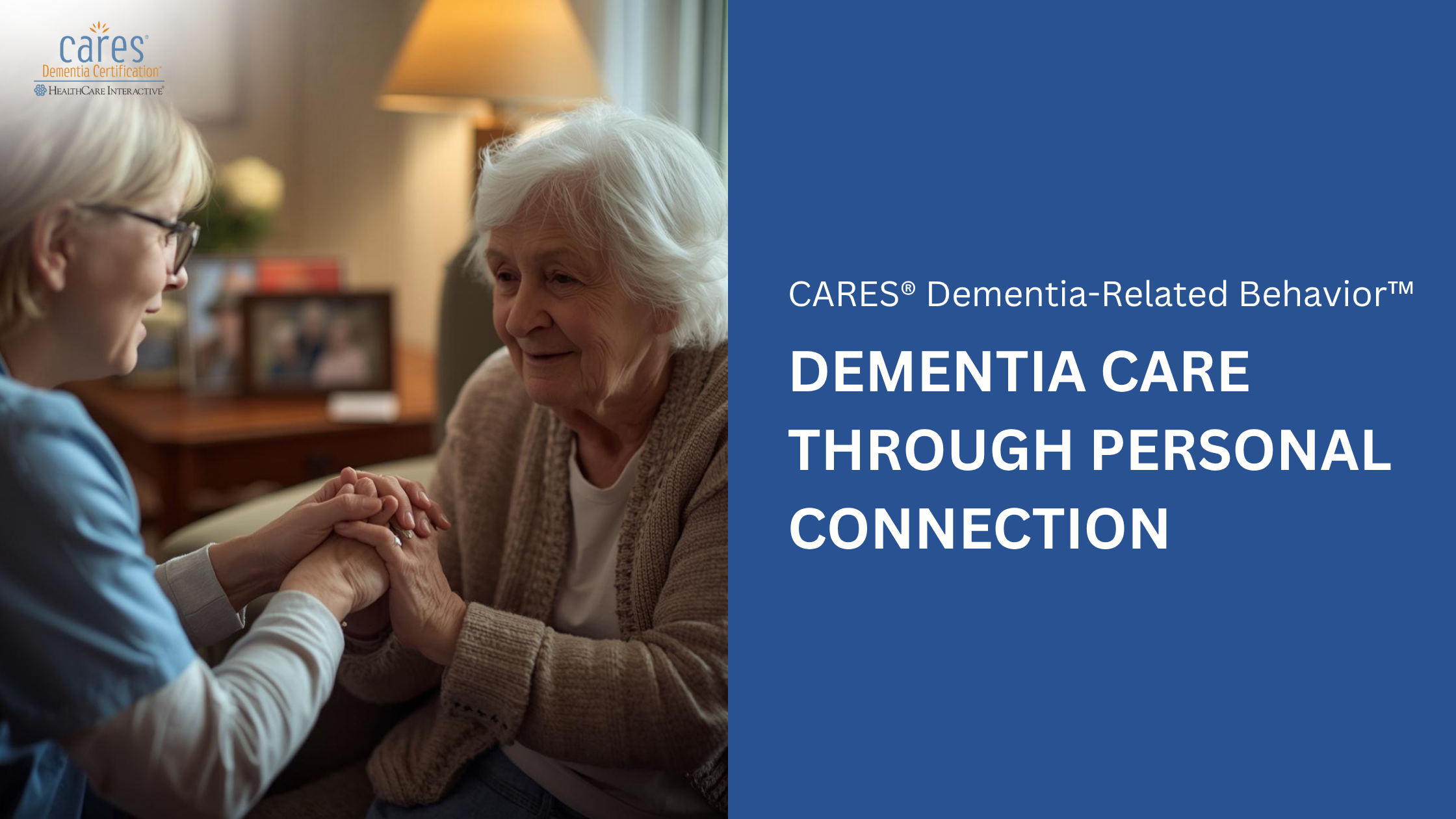
Offering a gentle touch, such as holding a hand or a light pat, to provide comfort.
Spending a few quiet moments together, which can help the person feel safe and valued.
These small acts of kindness can provide comfort and reassurance for people living with dementia, helping create a more supportive and compassionate care environment.

Reducing Stress and Agitation

Strong personal connections can significantly lower stress and agitation. Individuals with dementia often respond more to tone, body language, and emotional cues than to specific words. Approaching calmly, using their name, and maintaining a gentle manner can help them feel secure and understood. When caregivers focus on connection first, interactions tend to become smoother and more positive for everyone involved.

Making Caregiving More Meaningful

Building genuine relationships also makes caregiving more fulfilling. Many caregivers enter this field to make a difference, and focusing on connection—not just completing tasks—enhances that sense of purpose. These compassionate moments improve quality of life for the person receiving care while giving caregivers greater satisfaction and emotional reward in their work.

Enhance your approach to dementia care by focusing on meaningful connection and compassionate support. Build your skills with CARES® Training and enjoy 10% off with code SpringFlowers26 through May 31, 2026.

Why Connection Matters in Dementia Care?

People with dementia may forget names and details but often recognize familiar faces, voices, and gentle touch. When caregivers consistently show patience, kindness, and respect, trust develops. This helps the person feel safe, secure, and more comfortable, leading to more positive responses to care over time.

Slowing Down to Support the Person

One of the most effective ways caregivers can strengthen connection is simply by slowing down. When a person with dementia shows signs of distress—such as yelling, pulling away, crying, or becoming agitated—it can be a signal that they feel confused, overwhelmed, or frightened.

Taking a moment to pause, approach calmly, and reconnect with the person can often help ease the situation. A slower, more thoughtful approach allows caregivers to observe what the person may be experiencing and respond in a supportive and respectful way.

Getting to Know the Individual

Person-centred dementia care recognizes each person’s unique life story. Learning about their background, interests, and experiences helps caregivers build connections. Reviewing life history information also provides ideas for meaningful conversations and activities the person enjoys.

Learning From Families

Families provide valuable information about a person’s life, preferences, and experiences.

Talking with family members helps caregivers understand the individual’s personality and memories.

This knowledge helps caregivers deliver more personalized, person-centred care.

These conversations also help families feel respected and included in the care process.

Encouraging Conversations About the Past

Even as dementia progresses, long-term memories often remain strong. Talking about past experiences can be meaningful. Caregivers can ask simple questions and listen with interest, helping the person feel valued, respected, and connected.

Connection as the Foundation of Care

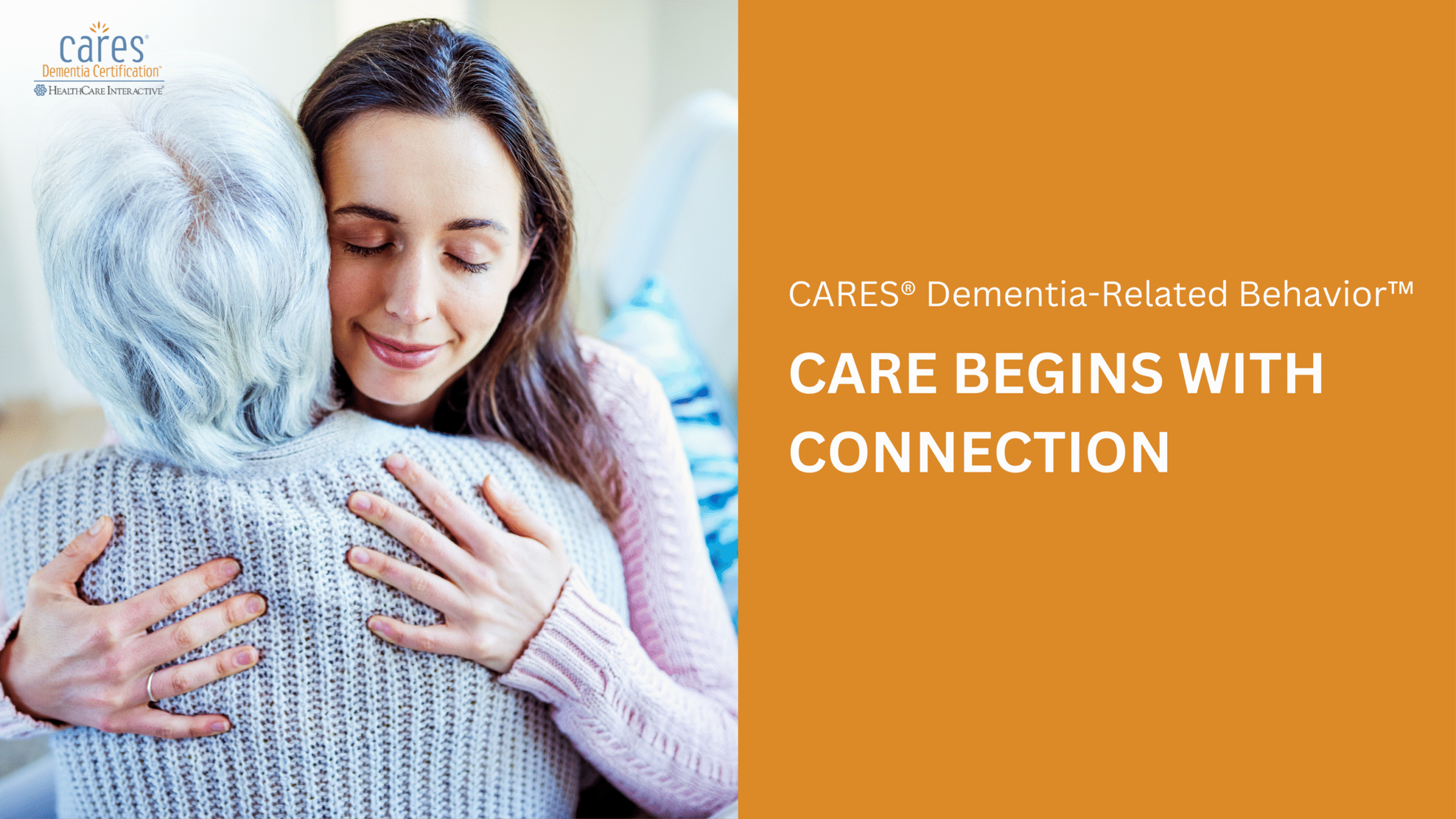
Connection is the foundation of compassionate dementia care. By learning everyone’s life story and building trust, caregivers help them feel understood and supported. Focusing on connection also improves communication, eases responses to behaviours, and supports truly person-centred care.

Building meaningful connections with people living with dementia is a key part of compassionate, person-centred care. Strengthen your caregiving skills with CARES® Training and receive 10% off with code SpringFlowers26 through May 31, 2026..

How Can Caregivers Work Effectively with Families in Dementia Care?

Caring for a person living with dementia involves more than supporting the individual—it also includes working closely with their family. No matter where you work, understanding and collaborating with families is an important part of providing quality care. Families often know the person best, and the information they share can help caregivers connect with the individual in a more meaningful and personalized way.

Understanding the Person’s Life Story

Family members offer valuable information about a person’s life, history, and preferences. This helps caregivers understand them better and provide more person-centred, individualized support. Families may share details about:

• Childhood and family background
• Brothers and sisters
• Hobbies and favourite activities
• Food preferences
• Pets
• School experiences, including high school
• Past jobs and career experiences
• Sports and travel interests
• Personal achievements and awards
• Children and grandchildren
• Important life events and experiences

Learning about these aspects of a person’s life helps caregivers build stronger connections, start meaningful conversations, and create activities that feel familiar and comforting.

Building Trust with Families

When caregivers ask about a loved one’s life, families feel valued and respected. This makes them feel included as part of the care team, leading to stronger, more positive relationships. Simple questions also help families feel comfortable and give them a chance to share meaningful memories.

Understanding Family Concerns

Conversations with families help caregivers understand their emotions, concerns, and expectations. Open communication allows caregivers to offer reassurance, answer questions, and provide guidance, supporting families as they cope with changes in their loved one’s needs.

Creating a Partnership in Care

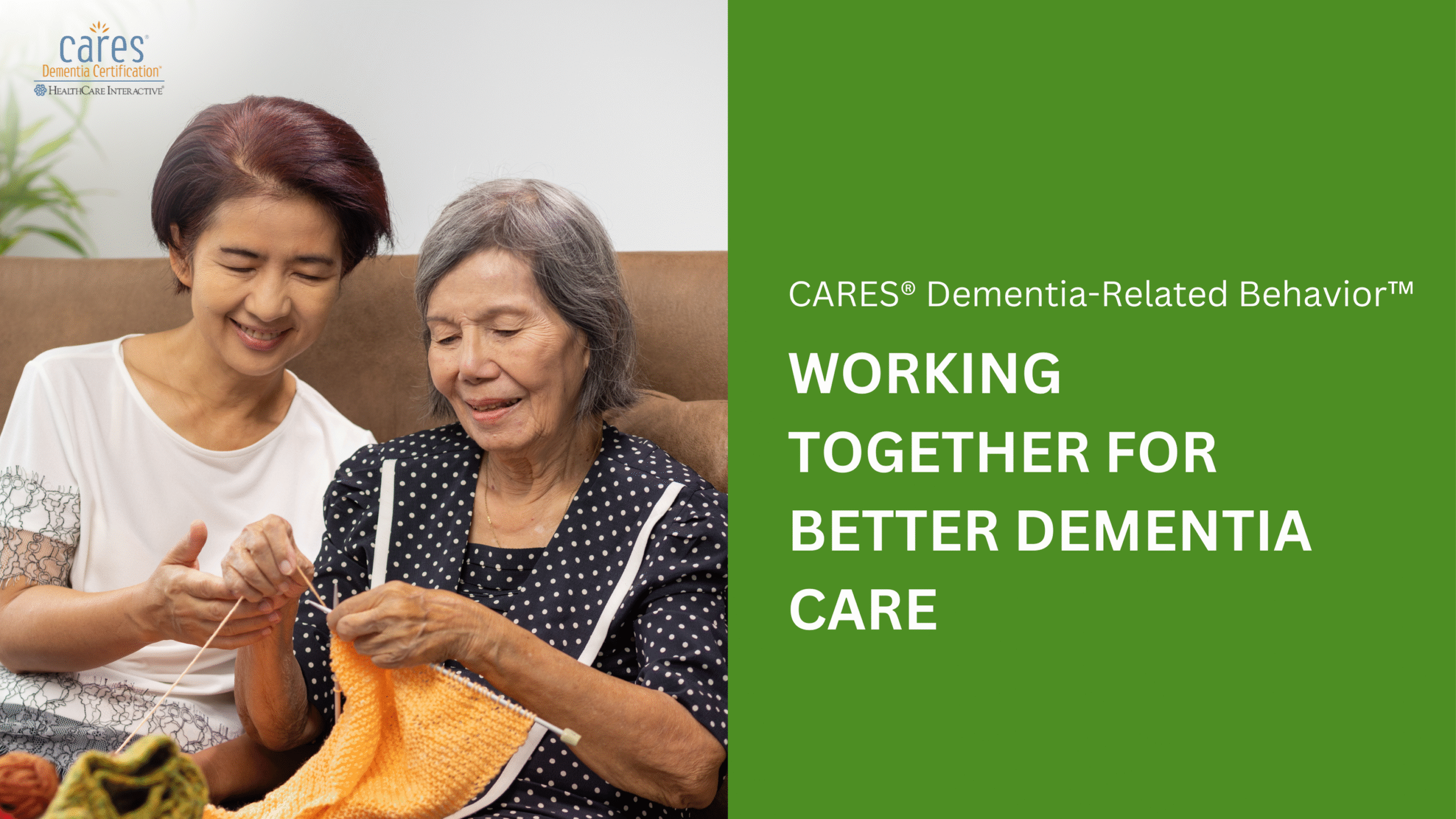
Working with families is key to supportive care. By listening, learning about their loved one, and understanding their concerns, caregivers build strong relationships and provide compassionate, person-centred support, creating a positive environment for everyone.

Supporting families and learning about a person’s life story are key parts of providing compassionate dementia care. Strengthen your skills with CARES® Training and receive 10% off with code SpringFlowers26 through May 31, 2026.

What Role Do Families Play in Dementia Care?

Caring for someone living with Alzheimer’s or another form of dementia affects not only the individual but also their family and loved ones. Families often experience emotional, physical, and mental challenges as they adjust to the changes that may occur over time. For caregivers and healthcare professionals, offering understanding, guidance, and compassion is an important part of the care journey. Providing effective dementia caregiver support can help families feel more confident, prepared, and better able to stay meaningfully connected with their loved one.

Understanding Changing Roles Across the Stages

Changes related to dementia often happen gradually, and the role of family members may shift over time as care needs evolve.

Early Stage: Many individuals are still able to live at home or in independent living environments. During this time, family members often act as care partners, helping with communication, planning, and decision-making while encouraging the person to remain as independent as possible. Caregivers can support families by answering questions, providing guidance, and offering ongoing dementia caregiver support as new needs arise.

Middle Stage: Individuals may begin to need more help with daily activities, and families often take on additional responsibilities. Tasks may need to be simplified, and safety may become a greater concern. This stage can be emotionally challenging for families as they notice changes in their loved one’s abilities, making consistent support and guidance especially important.

Late Stage: Individuals usually require assistance with most daily activities such as eating, bathing, and mobility. At this point, care often focuses on comfort, safety, and overall well-being. Many individuals may also receive support in assisted living or nursing care settings where trained caregivers can help meet their daily needs.

Providing Emotional Support to Families

As changes related to dementia continue over time, families may experience grief, stress, and uncertainty. Caregivers play an important role in helping them feel understood and supported. Simple actions such as showing empathy, listening carefully, maintaining eye contact, and being mindful of body language can make a meaningful difference. These small acts of compassion help families feel heard, respected, and reassured during a challenging time.

Encouraging Meaningful Family Involvement

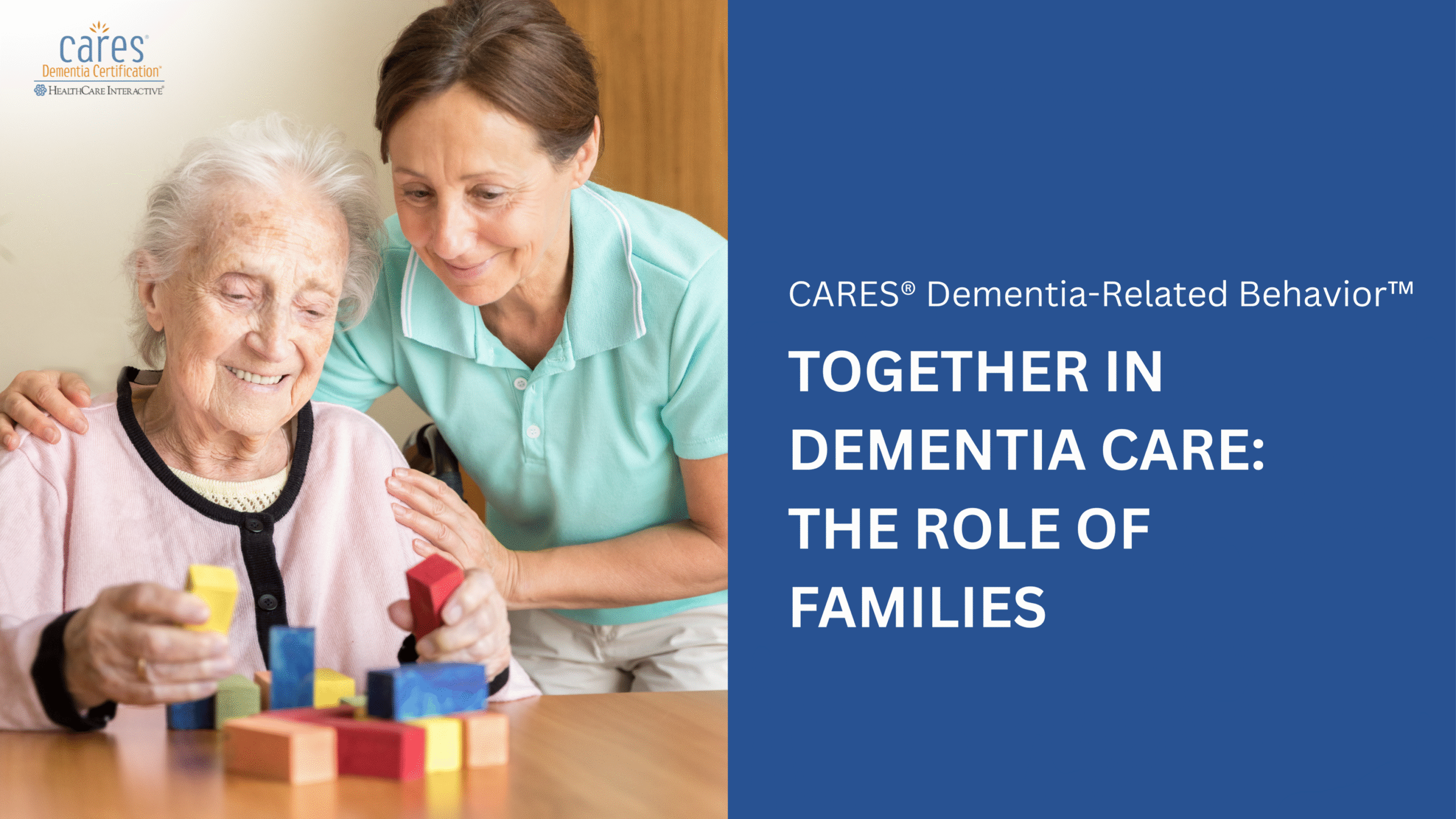
Even as care needs increase, families often want to remain involved in their loved one’s life. Caregivers can guide them toward simple and meaningful ways to stay connected. For example, family members may sit together during meals, help choose clothing, or spend time looking through photo albums. These small moments can strengthen emotional bonds and provide comfort to both the individual and their family.

Creating a Supportive Care Environment

Supporting families is an essential part of providing compassionate care. By recognizing the changing roles families experience, offering emotional support, and encouraging meaningful involvement, caregivers can help families navigate these changes with greater confidence and understanding. A supportive approach benefits families and also contributes to the comfort and overall well-being of the person receiving care.

Supporting families is an important part of dementia care—build your skills with CARES® Training and enjoy 10% off with code SpringFlowers26, valid through May 31, 2026.

Why Positive Physical Approach Matters in Dementia Care?

Caring for person with dementia requires patience, understanding, and thoughtful communication, and the way caregivers physically approach them plays a key role in their comfort. A calm, respectful approach helps reduce confusion and anxiety, creating a safer, more supportive environment for everyday interactions.

Understanding the Positive Physical Approach

A helpful technique used in dementia care is the Positive Physical Approach. This method focuses on creating a calm and respectful connection before beginning any task or conversation. When caregivers approach thoughtfully, it helps the person feel more secure and prepared for the interaction.

Key steps of the Positive Physical Approach include:

• Approach from the front so the person can clearly see you.

• Walk slowly to avoid startling them.

• Move slightly to the side rather than standing directly over them.

• Lower yourself to eye level by crouching or kneeling.

• Offer your hand as a friendly gesture.

• Greet the person warmly by name.

The Importance of Consistency

Consistency plays an important role in dementia care. Because memory is affected by the condition, a person may not remember seeing a caregiver earlier in the day or even a short time ago. Using the same calm and respectful approach each time helps create familiarity and reassurance. Over time, this routine can help the person feel more comfortable during interactions and reduce feelings of confusion or anxiety.

Creating Calm and Respectful Interactions

In dementia care, small actions can make a meaningful difference. Taking a moment to approach someone calmly, greet them warmly, and communicate at eye level helps build trust and comfort.
Practicing a Positive Physical Approach encourages compassionate, respectful care. It also helps create more positive daily interactions, allowing individuals living with dementia to feel valued, understood, and supported.

Discover how a Positive Physical Approach can improve interactions in Dementia Care. Deepen your skills with CARES® Training, now 10% off with code SpringFlowers26, valid through May 31, 2026!

What Do We Mean by Dementia-Related Behavior?

In dementia care, the words we use matter. That’s why it’s important to move away from blaming language like “challenging,” “difficult,” or “disruptive.” While certain actions may feel difficult for those of us without dementia, people living with dementia are always more than their behavior. Understanding behavior changes in dementia starts with recognizing the person behind those actions.

Understanding Behavior as Communication

If someone in your care responds in ways that seem unusual or confusing, it helps to pause and ask a deeper question. Often, behavior changes in dementia are a form of communication. The behavior may be expressing fear, discomfort, confusion, or an unmet need. Rather than ignoring, scolding, or immediately medicating, taking time to understand the message can lead to more supportive care.

This approach also helps clarify what is dementia-related behavior—actions influenced by changes in the brain, not intentional choices made to cause disruption.

Choosing Non-Blaming Language

Using non-blaming language in dementia care shifts how we think and how we respond. When the focus stays on the disease rather than the person, care becomes more compassionate and less reactive. Language that removes blame opens the door to curiosity, patience, and understanding.

A CARES® Tip: Pause and Reflect

When you notice behavior changes in dementia that feel bothersome, ask yourself:

• Is anyone being harmed?
• Is this a problem for others, or just uncomfortable for me?

If no one is upset or at risk, it may be okay to let the behavior continue. Sometimes, “rolling with it” reduces stress for everyone involved.

How Common Are These Changes?
Behavior changes in dementia are very common, both in care settings and at home. Research shows that 70% to 90% of nursing home residents with dementia experience behaviors often described as resistive, threatening, or disruptive. Studies also show that more than 80% of people living with dementia experience some form of behavior change at some point.

While these numbers may feel overwhelming, they also remind us that these behaviors are not unusual or intentional. They are part of how dementia affects the brain. The encouraging news is that when caregivers understand why behavior changes in dementia happen and learn thoughtful ways of responding to dementia behavior, daily interactions often become calmer, more supportive, and less stressful for everyone involved.

Seeing behavior differently can ease stress and improve care. Deepen your learning with CARES® Training and receive 10% off using code SpringFlowers26 through May 31, 2026!.

Common Causes of Dementia Behavior

Common Causes of Dementia Behavior

Understanding dementia-related behavior can be challenging, especially for caregivers who truly want to help but may not always know what the person is trying to communicate. In many situations, behaviors linked to dementia are not random or intentional. They are often signals that something is bothering the person physically, emotionally, or within their environment. Recognizing the causes of dementia behavior can help caregivers respond with patience and understanding rather than frustration.

Imagine feeling hungry, thirsty, cold, or exhausted but being unable to explain it to anyone. That kind of discomfort can easily lead to Frustration, Anxiety, or Agitation. For people living with dementia, this situation can happen often. Understanding the causes of dementia behavior allows caregivers to look beyond the reaction and consider what the person might actually need.

Frustration and Loss of Control

People with dementia may feel overwhelmed when tasks become too difficult or when they are given too many choices at once. This loss of control can create stress and confusion. In many cases, these moments appear through dementia frustration signs, such as agitation, resistance, or sudden mood changes.

Helpful ways to reduce frustration include:
• Suggesting tasks the person can complete successfully
• Avoiding arguments, even if the person’s statements are incorrect
• Maintaining familiar daily routines
• Offering simple choices rather than open-ended questions
These small adjustments can help the person feel more comfortable and supported while also helping caregivers in managing dementia behavior more effectively.

Pain, Discomfort, and Physical Needs

Sometimes behaviors such as agitation or aggression may actually be signs of physical discomfort. A person might not be able to explain that something hurts, but their body language may reveal it.

Common signs to watch for include:
• Rubbing or holding a specific part of the body
• Sweating or a flushed face
• Shivering or shaking
• General restlessness or agitation

Caregivers should also check for simple issues like tight clothing, irritation from tags or zippers, hunger, thirst, or the need to use the bathroom. Addressing these needs can remove many of the hidden causes of dementia behavior that often go unnoticed.

Emotional Pain and Loneliness

Dementia can also bring emotional challenges. Feelings of sadness, fear, or isolation may appear through changes in behavior. These moments may reflect dementia emotional distress, even when the person cannot clearly explain what they are feeling.

Possible signs include:
• Loss of appetite
• Changes in sleeping patterns
• Frequent crying or anger
• Loss of interest in activities
• Repeated calls for help

Reassurance can provide comfort during these moments. Simple statements like “You’re safe here” or “I’m here with you” can help reduce fear and anxiety.

Creating a Calm and Supportive Environment

Sometimes behaviors occur simply because the environment feels overwhelming. Loud noises, busy rooms, or rushed care routines can increase stress for someone with dementia. Speaking calmly, keeping activities simple, and allowing extra time for daily tasks can create a more peaceful experience.

When caregivers understand the causes of dementia behavior, they can respond with empathy instead of reacting to the behavior itself. This approach not only improves daily care but also strengthens the connection between caregivers and the people they support. Recognizing the causes of dementia behavior helps create a calmer, more compassionate environment for everyone involved.

Seeing behavior differently can ease stress and improve care. Deepen your learning with CARES® Training and receive 10% off using code WinterSale26 through March 21, 2026!.

When Words Fade, Behavior Becomes Communication

As dementia progresses, many people lose the ability to communicate clearly with words. They may say things that don’t make sense, express emotions in unexpected ways, or say very little at all. While language changes, feelings do not—and understanding that dementia behavior is communication helps us listen beyond words. People living with dementia still experience comfort, fear, frustration, and connection, often without the language they once relied on.

Behavior as a Form of Communication

When words fade, behavior takes their place. Facial expressions, movement, tone, and sounds all become ways of communicating. Dementia behavior is communication, reflecting how the person is experiencing the world in that moment. These behaviors are not random or meaningless—they are telling us something important.

Why Labels Can Do Harm

Caregivers sometimes describe behaviors as “challenging,” “difficult,” or “inappropriate.” Although often unintentional, these labels place blame on the person rather than on the disease. Avoiding blame in dementia care means recognizing that these changes are not choices. Blaming someone for dementia-related behavior would be like blaming a person with severe arthritis for struggling to walk—it simply isn’t fair or respectful.

Seeing the Situation Through Their Eyes

What may appear confusing or disruptive to us may make complete sense in the person’s reality. Dementia behavior is communication shaped by fear, discomfort, or an unmet need. When we pause and see the situation through their perspective, frustration often gives way to understanding.

• What might this behavior be communicating?

• What could the person be feeling right now?

• How can we respond in a supportive way?

Choosing Curiosity Over Blame

The words we use matter. They shape how others see the person and how care is delivered. Choosing person-centered dementia care means shifting from labels to language that reflects empathy. Instead of saying someone is “causing trouble,” we can say they seem troubled.

By recognizing that dementia behavior is communication, we move toward compassionate dementia care—creating space for dignity, empathy, and meaningful connection, and meeting people where they are rather than judging how they got there.

Small shifts in understanding behavior can make a meaningful difference in dementia care. Deepen your learning with CARES® Training and enjoy 10% off using code WinterSale26 through March 21, 2026!