

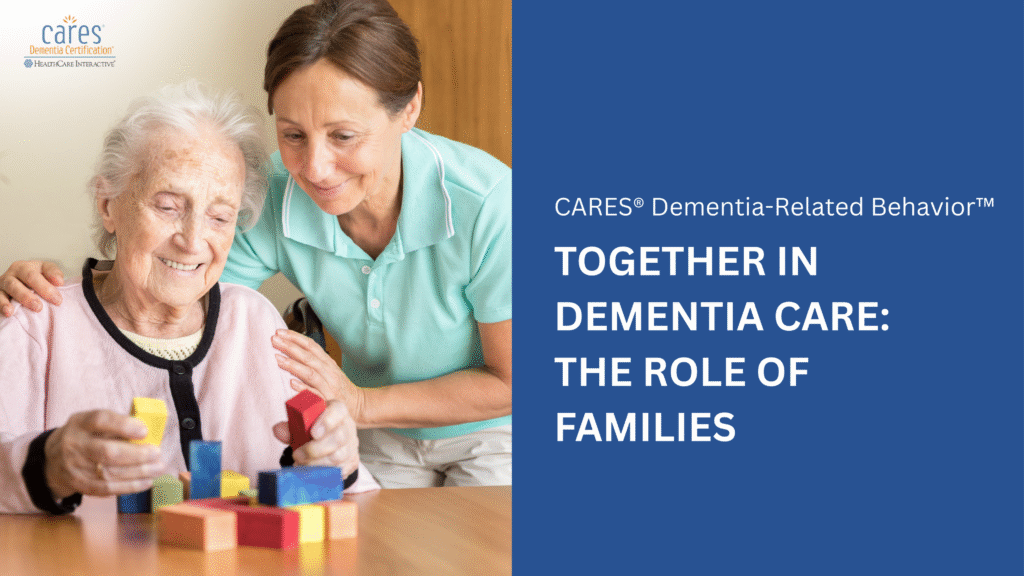
Caring for someone living with Alzheimer’s or another form of dementia affects not only the individual but also their family and loved ones. Families often experience emotional, physical, and mental challenges as they adjust to the changes that may occur over time. For caregivers and healthcare professionals, offering understanding, guidance, and compassion is an important part of the care journey. Providing effective dementia caregiver support can help families feel more confident, prepared, and better able to stay meaningfully connected with their loved one.
Understanding Changing Roles Across the Stages
Changes related to dementia often happen gradually, and the role of family members may shift over time as care needs evolve.
• Early Stage: Many individuals are still able to live at home or in independent living environments. During this time, family members often act as care partners, helping with communication, planning, and decision-making while encouraging the person to remain as independent as possible. Caregivers can support families by answering questions, providing guidance, and offering ongoing dementia caregiver support as new needs arise.
• Middle Stage: Individuals may begin to need more help with daily activities, and families often take on additional responsibilities. Tasks may need to be simplified, and safety may become a greater concern. This stage can be emotionally challenging for families as they notice changes in their loved one’s abilities, making consistent support and guidance especially important.
• Late Stage: Individuals usually require assistance with most daily activities such as eating, bathing, and mobility. At this point, care often focuses on comfort, safety, and overall well-being. Many individuals may also receive support in assisted living or nursing care settings where trained caregivers can help meet their daily needs.
Providing Emotional Support to Families
As changes related to dementia continue over time, families may experience grief, stress, and uncertainty. Caregivers play an important role in helping them feel understood and supported. Simple actions such as showing empathy, listening carefully, maintaining eye contact, and being mindful of body language can make a meaningful difference. These small acts of compassion help families feel heard, respected, and reassured during a challenging time.
Encouraging Meaningful Family Involvement
Even as care needs increase, families often want to remain involved in their loved one’s life. Caregivers can guide them toward simple and meaningful ways to stay connected. For example, family members may sit together during meals, help choose clothing, or spend time looking through photo albums. These small moments can strengthen emotional bonds and provide comfort to both the individual and their family.
Creating a Supportive Care Environment
Supporting families is an essential part of providing compassionate care. By recognizing the changing roles families experience, offering emotional support, and encouraging meaningful involvement, caregivers can help families navigate these changes with greater confidence and understanding. A supportive approach benefits families and also contributes to the comfort and overall well-being of the person receiving care.
Supporting families is an important part of dementia care—build your skills with CARES® Training and enjoy 10% off with code SpringFlowers26, valid through May 31, 2026.