

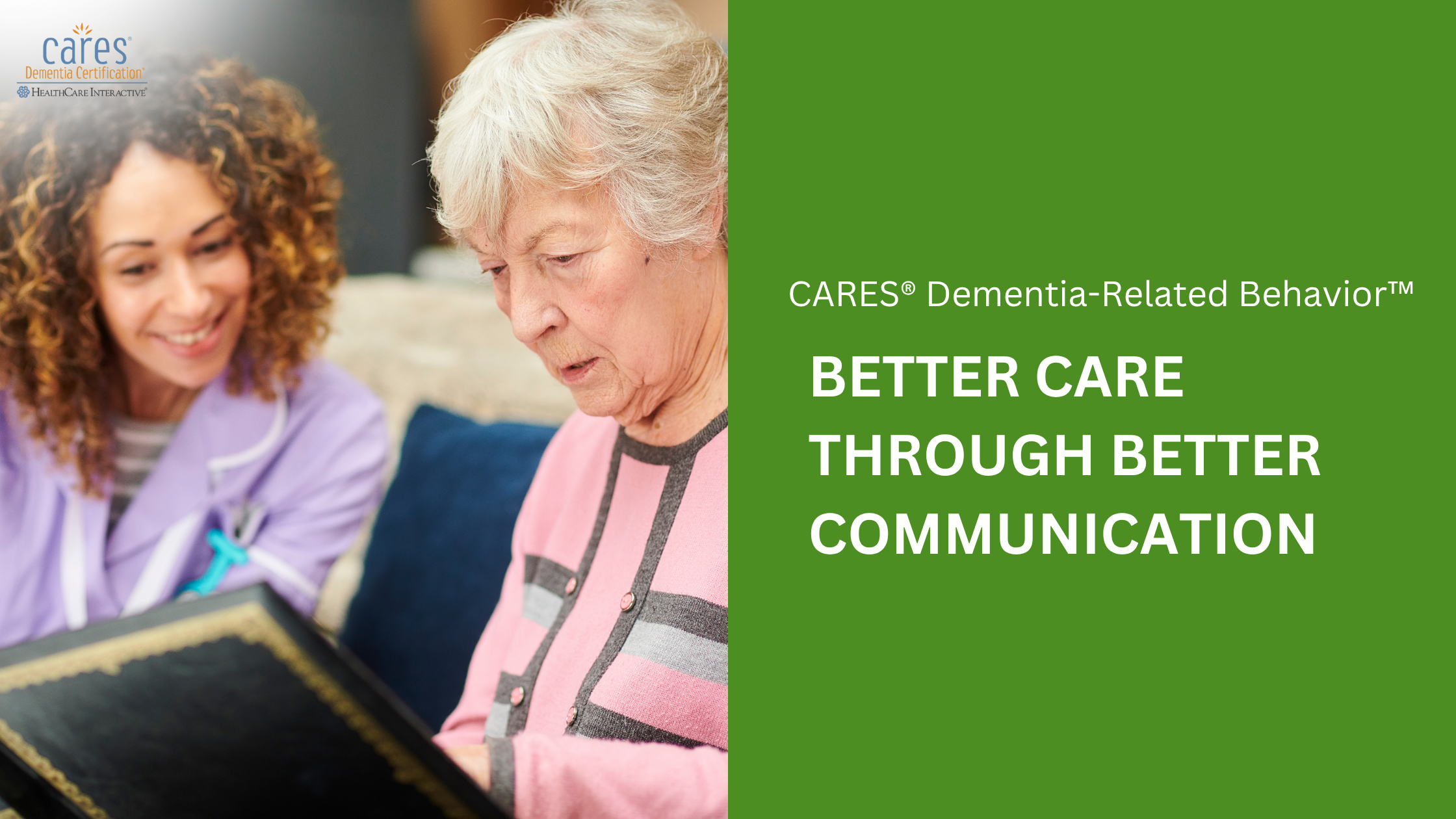
How Dementia Care Communication Strengthens Emotional Support and Daily Living?

The Importance of Dementia Care Communication

Dementia care communication is the foundation of compassionate caregiving. As memory and understanding decline, the way caregivers speak, listen, and respond can greatly influence how safe and supported a person feels.

Helpful communication approaches include:

• Speak slowly and use simple, clear sentences
• Maintain eye contact and a calm tone
• Approach from the front to avoid startling the person
• Use the person’s name and offer reassurance
• Allow extra time for responses
These small adjustments reduce confusion and build trust.

Supporting Emotional Well-Being and Daily Routine

Effective communication plays a vital role in both dementia care emotional support and maintaining a stable daily routine. When individuals feel heard, understood, and gently guided, everyday activities become less overwhelming and more manageable. Caregivers can provide comfort by validating feelings rather than correcting facts, using gentle touch when appropriate, talking about familiar people or memories, and offering reassurance during moments of anxiety. Feeling understood can greatly reduce fear and loneliness.

Clear communication also helps create consistency in daily life. Explaining each step before starting a task, giving advance notice before transitions, offering simple choices such as “Would you like tea or water?”, and keeping routines predictable and calm all support independence and confidence. Together, emotional reassurance and structured guidance help individuals feel safe, respected, and more in control of their day

Managing Behaviours with Compassion

Many challenging behaviours are expressions of unmet needs. Thoughtful communication provides essential dementia care behavioural support.

Helpful strategies include:

• Observe nonverbal cues for discomfort or pain
• Redirect attention to calming activities
• Stay patient and avoid arguing
• Use encouragement and praise
A calm response can prevent escalation.

Improving Overall Quality of Life

All these approaches contribute to better dementia care quality of life. When individuals feel safe, respected, and emotionally supported, they are more engaged and cooperative. In dementia care, communication is not just about words—it is a daily tool for preserving dignity, reducing stress, and nurturing meaningful human connection.

Strengthen your dementia care communication skills and learn how to support emotional well-being with confidence and compassion. Build your expertise with CARES® Training and enjoy 10% off with code SpringFlowers26 through May 31, 2026.
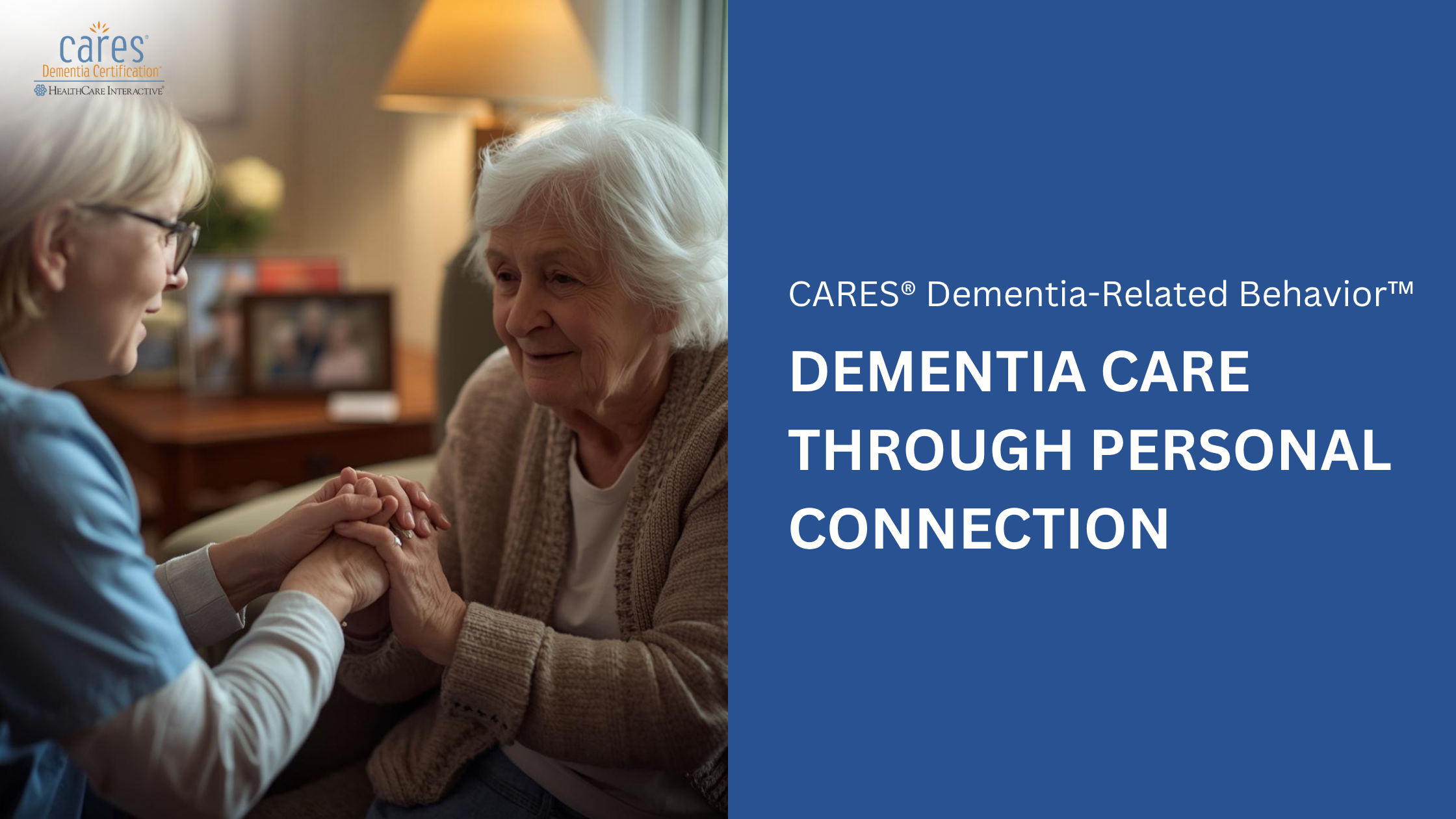
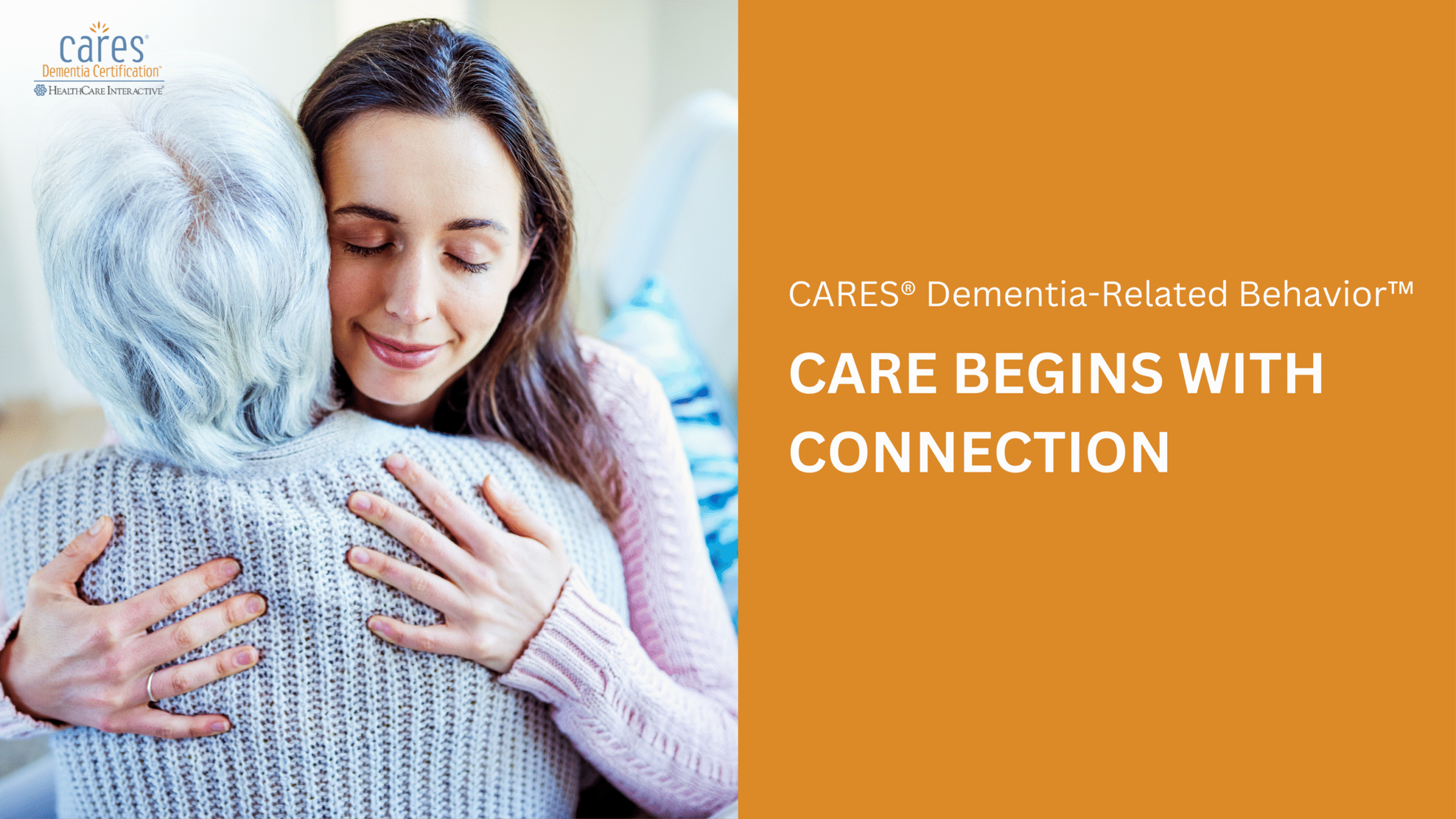
The Benefits of Making Personal Connections in Dementia Care

Caring for a person living with dementia involves more than assisting with daily tasks such as feeding, bathing, or personal care. While these responsibilities are essential, meaningful human connection often has an even greater impact on overall well-being. By building personal relationships, caregivers support not only physical needs but also emotional, social, and psychological health. These connections benefit everyone involved—the individual with dementia, their loved ones, and the entire care team.

Supporting Emotional and Social Needs

People living with dementia continue to have a strong need for connection and meaningful interaction. Caregivers can support these needs through simple, thoughtful actions such as:
Sitting beside the person to show presence and support.
Making gentle eye contact to create a sense of connection and understanding.
Speaking in a calm and reassuring voice to help reduce confusion or anxiety.
Offering a gentle touch, such as holding a hand or a light pat, to provide comfort.
Spending a few quiet moments together, which can help the person feel safe and valued.
These small acts of kindness can provide comfort and reassurance for people living with dementia, helping create a more supportive and compassionate care environment.

Reducing Stress and Agitation

Strong personal connections can significantly lower stress and agitation. Individuals with dementia often respond more to tone, body language, and emotional cues than to specific words. Approaching calmly, using their name, and maintaining a gentle manner can help them feel secure and understood. When caregivers focus on connection first, interactions tend to become smoother and more positive for everyone involved.

Making Caregiving More Meaningful

Building genuine relationships also makes caregiving more fulfilling. Many caregivers enter this field to make a difference, and focusing on connection—not just completing tasks—enhances that sense of purpose. These compassionate moments improve quality of life for the person receiving care while giving caregivers greater satisfaction and emotional reward in their work.

Enhance your approach to dementia care by focusing on meaningful connection and compassionate support. Build your skills with CARES® Training and enjoy 10% off with code SpringFlowers26 through May 31, 2026.
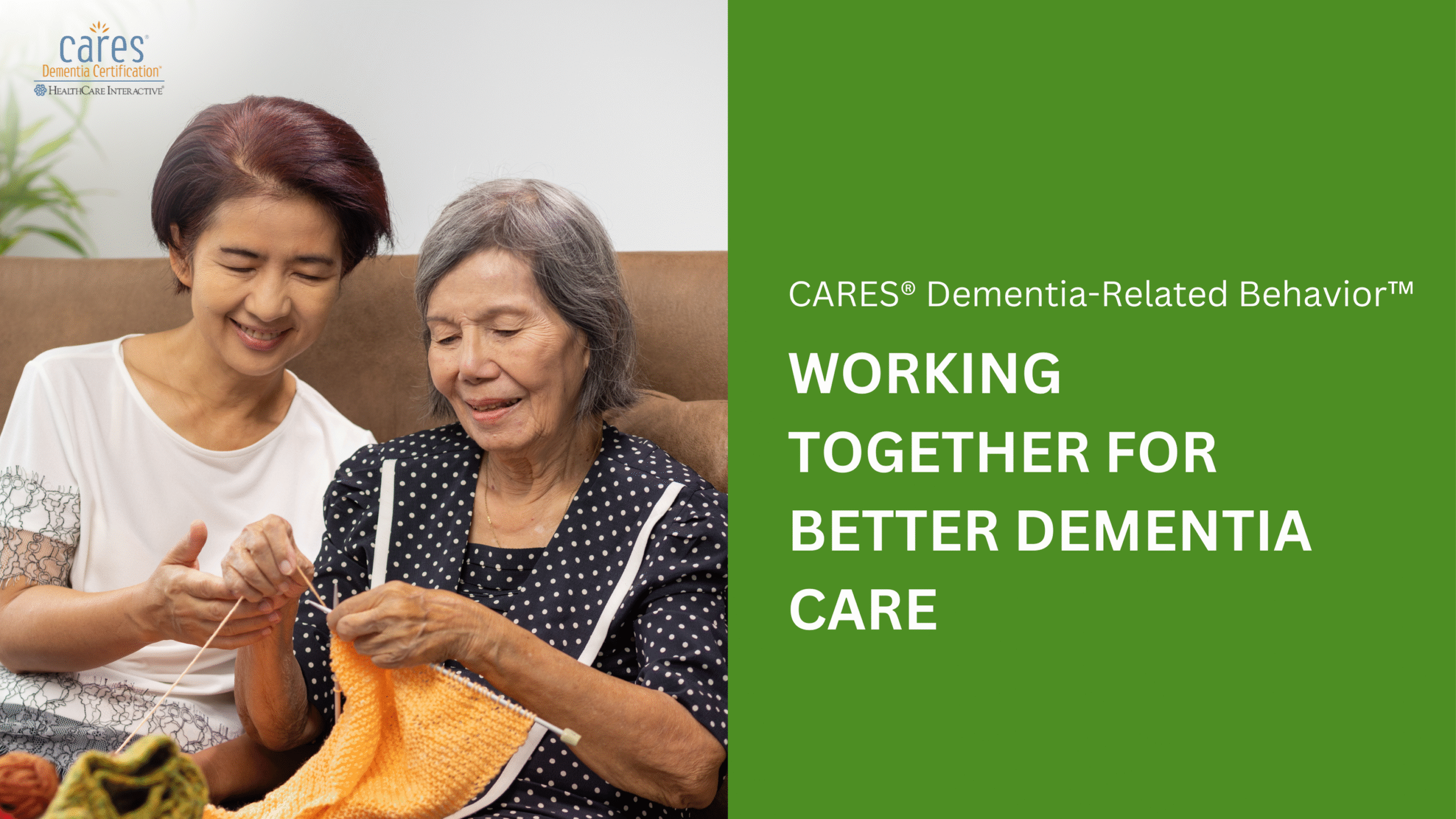
Why Connection Matters in Dementia Care?

People with dementia may forget names and details but often recognize familiar faces, voices, and gentle touch. When caregivers consistently show patience, kindness, and respect, trust develops. This helps the person feel safe, secure, and more comfortable, leading to more positive responses to care over time.

Slowing Down to Support the Person

One of the most effective ways caregivers can strengthen connection is simply by slowing down. When a person with dementia shows signs of distress—such as yelling, pulling away, crying, or becoming agitated—it can be a signal that they feel confused, overwhelmed, or frightened.

Taking a moment to pause, approach calmly, and reconnect with the person can often help ease the situation. A slower, more thoughtful approach allows caregivers to observe what the person may be experiencing and respond in a supportive and respectful way.

Getting to Know the Individual

Person-centred dementia care recognizes each person’s unique life story. Learning about their background, interests, and experiences helps caregivers build connections. Reviewing life history information also provides ideas for meaningful conversations and activities the person enjoys.

Learning From Families

Families provide valuable information about a person’s life, preferences, and experiences.

Talking with family members helps caregivers understand the individual’s personality and memories.

This knowledge helps caregivers deliver more personalized, person-centred care.

These conversations also help families feel respected and included in the care process.

Encouraging Conversations About the Past

Even as dementia progresses, long-term memories often remain strong. Talking about past experiences can be meaningful. Caregivers can ask simple questions and listen with interest, helping the person feel valued, respected, and connected.

Connection as the Foundation of Care

Connection is the foundation of compassionate dementia care. By learning everyone’s life story and building trust, caregivers help them feel understood and supported. Focusing on connection also improves communication, eases responses to behaviours, and supports truly person-centred care.

Building meaningful connections with people living with dementia is a key part of compassionate, person-centred care. Strengthen your caregiving skills with CARES® Training and receive 10% off with code SpringFlowers26 through May 31, 2026..

How Can Caregivers Work Effectively with Families in Dementia Care?

Caring for a person living with dementia involves more than supporting the individual—it also includes working closely with their family. No matter where you work, understanding and collaborating with families is an important part of providing quality care. Families often know the person best, and the information they share can help caregivers connect with the individual in a more meaningful and personalized way.

Understanding the Person’s Life Story

Family members offer valuable information about a person’s life, history, and preferences. This helps caregivers understand them better and provide more person-centred, individualized support. Families may share details about:

• Childhood and family background
• Brothers and sisters
• Hobbies and favourite activities
• Food preferences
• Pets
• School experiences, including high school
• Past jobs and career experiences
• Sports and travel interests
• Personal achievements and awards
• Children and grandchildren
• Important life events and experiences

Learning about these aspects of a person’s life helps caregivers build stronger connections, start meaningful conversations, and create activities that feel familiar and comforting.

Building Trust with Families

When caregivers ask about a loved one’s life, families feel valued and respected. This makes them feel included as part of the care team, leading to stronger, more positive relationships. Simple questions also help families feel comfortable and give them a chance to share meaningful memories.

Understanding Family Concerns

Conversations with families help caregivers understand their emotions, concerns, and expectations. Open communication allows caregivers to offer reassurance, answer questions, and provide guidance, supporting families as they cope with changes in their loved one’s needs.

Creating a Partnership in Care

Working with families is key to supportive care. By listening, learning about their loved one, and understanding their concerns, caregivers build strong relationships and provide compassionate, person-centred support, creating a positive environment for everyone.

Supporting families and learning about a person’s life story are key parts of providing compassionate dementia care. Strengthen your skills with CARES® Training and receive 10% off with code SpringFlowers26 through May 31, 2026.
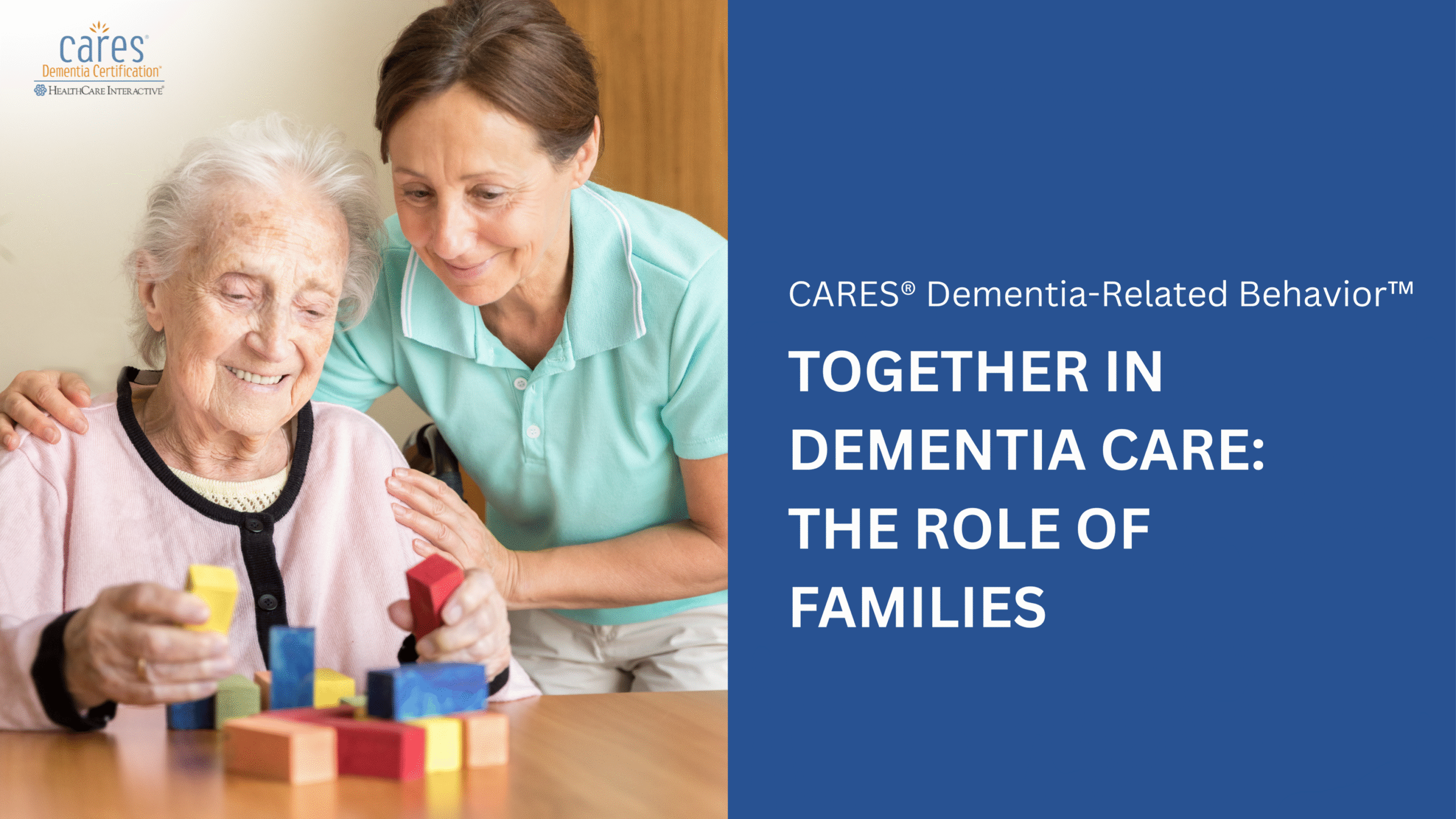
What Role Do Families Play in Dementia Care?

Caring for someone living with Alzheimer’s or another form of dementia affects not only the individual but also their family and loved ones. Families often experience emotional, physical, and mental challenges as they adjust to the changes that may occur over time. For caregivers and healthcare professionals, offering understanding, guidance, and compassion is an important part of the care journey. Providing effective dementia caregiver support can help families feel more confident, prepared, and better able to stay meaningfully connected with their loved one.

Understanding Changing Roles Across the Stages

Changes related to dementia often happen gradually, and the role of family members may shift over time as care needs evolve.

Early Stage: Many individuals are still able to live at home or in independent living environments. During this time, family members often act as care partners, helping with communication, planning, and decision-making while encouraging the person to remain as independent as possible. Caregivers can support families by answering questions, providing guidance, and offering ongoing dementia caregiver support as new needs arise.

Middle Stage: Individuals may begin to need more help with daily activities, and families often take on additional responsibilities. Tasks may need to be simplified, and safety may become a greater concern. This stage can be emotionally challenging for families as they notice changes in their loved one’s abilities, making consistent support and guidance especially important.

Late Stage: Individuals usually require assistance with most daily activities such as eating, bathing, and mobility. At this point, care often focuses on comfort, safety, and overall well-being. Many individuals may also receive support in assisted living or nursing care settings where trained caregivers can help meet their daily needs.

Providing Emotional Support to Families

As changes related to dementia continue over time, families may experience grief, stress, and uncertainty. Caregivers play an important role in helping them feel understood and supported. Simple actions such as showing empathy, listening carefully, maintaining eye contact, and being mindful of body language can make a meaningful difference. These small acts of compassion help families feel heard, respected, and reassured during a challenging time.

Encouraging Meaningful Family Involvement

Even as care needs increase, families often want to remain involved in their loved one’s life. Caregivers can guide them toward simple and meaningful ways to stay connected. For example, family members may sit together during meals, help choose clothing, or spend time looking through photo albums. These small moments can strengthen emotional bonds and provide comfort to both the individual and their family.

Creating a Supportive Care Environment

Supporting families is an essential part of providing compassionate care. By recognizing the changing roles families experience, offering emotional support, and encouraging meaningful involvement, caregivers can help families navigate these changes with greater confidence and understanding. A supportive approach benefits families and also contributes to the comfort and overall well-being of the person receiving care.

Supporting families is an important part of dementia care—build your skills with CARES® Training and enjoy 10% off with code SpringFlowers26, valid through May 31, 2026.