
The Importance of Dementia Care Communication
Dementia care communication is the foundation of compassionate caregiving. As memory and understanding decline, the way caregivers speak, listen, and respond can greatly influence how safe and supported a person feels.
Helpful communication approaches include:
• Speak slowly and use simple, clear sentences
• Maintain eye contact and a calm tone
• Approach from the front to avoid startling the person
• Use the person’s name and offer reassurance
• Allow extra time for responses
These small adjustments reduce confusion and build trust.
Supporting Emotional Well-Being and Daily Routine
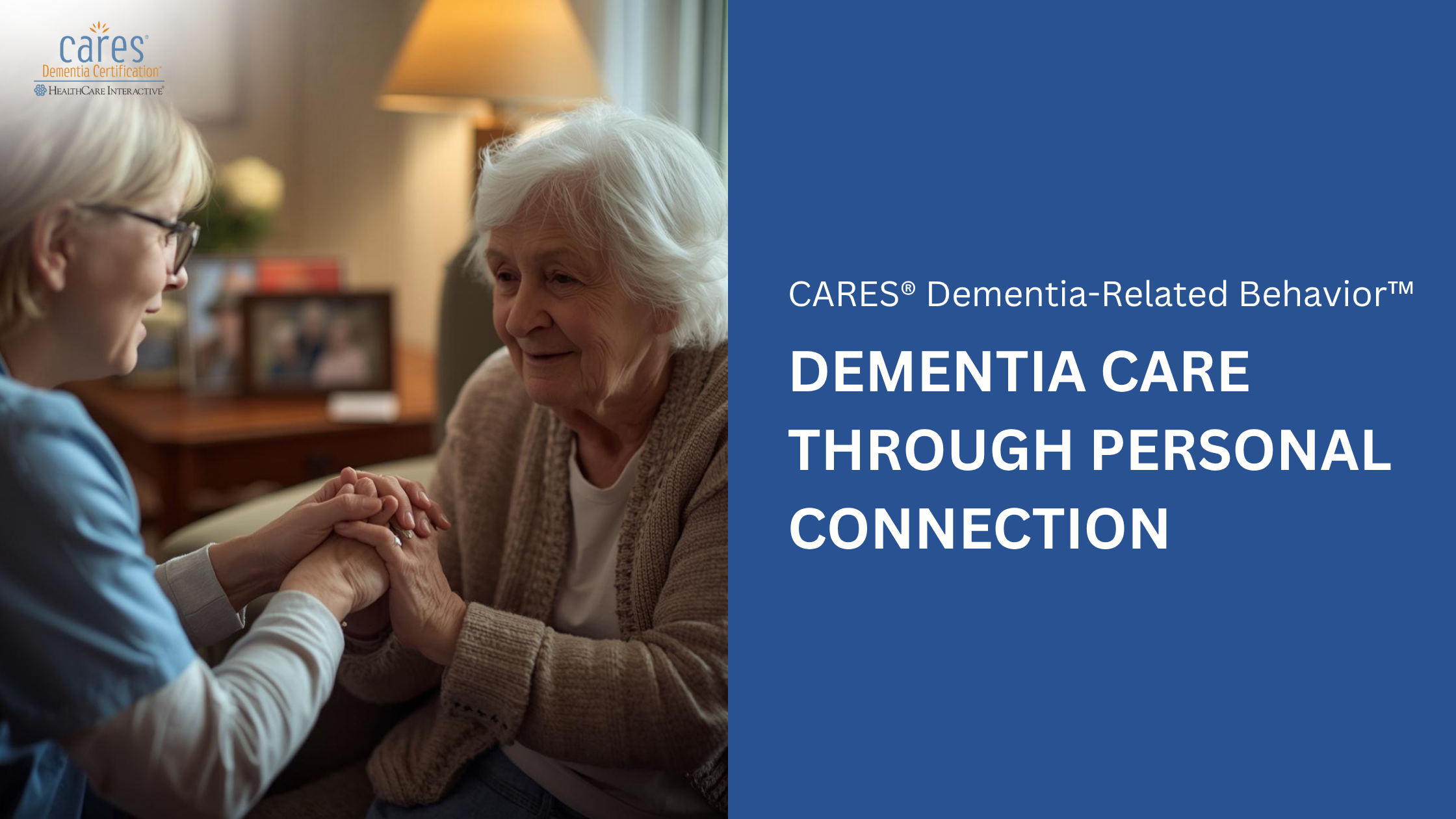
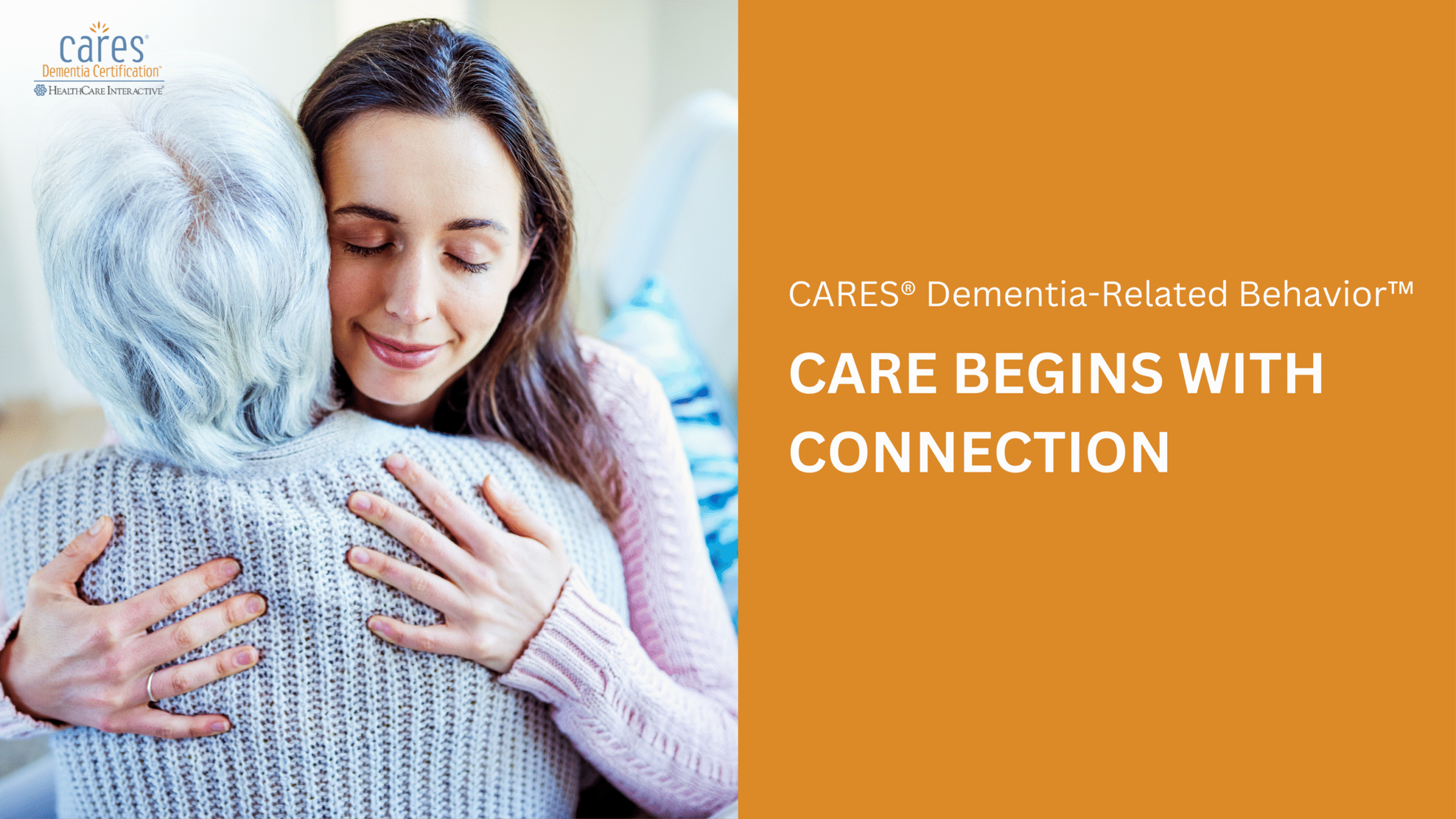
Effective communication plays a vital role in both dementia care emotional support and maintaining a stable daily routine. When individuals feel heard, understood, and gently guided, everyday activities become less overwhelming and more manageable. Caregivers can provide comfort by validating feelings rather than correcting facts, using gentle touch when appropriate, talking about familiar people or memories, and offering reassurance during moments of anxiety. Feeling understood can greatly reduce fear and loneliness.
Clear communication also helps create consistency in daily life. Explaining each step before starting a task, giving advance notice before transitions, offering simple choices such as “Would you like tea or water?”, and keeping routines predictable and calm all support independence and confidence. Together, emotional reassurance and structured guidance help individuals feel safe, respected, and more in control of their day
Managing Behaviours with Compassion
Many challenging behaviours are expressions of unmet needs. Thoughtful communication provides essential dementia care behavioural support.
Helpful strategies include:
• Observe nonverbal cues for discomfort or pain
• Redirect attention to calming activities
• Stay patient and avoid arguing
• Use encouragement and praise
A calm response can prevent escalation.
Improving Overall Quality of Life
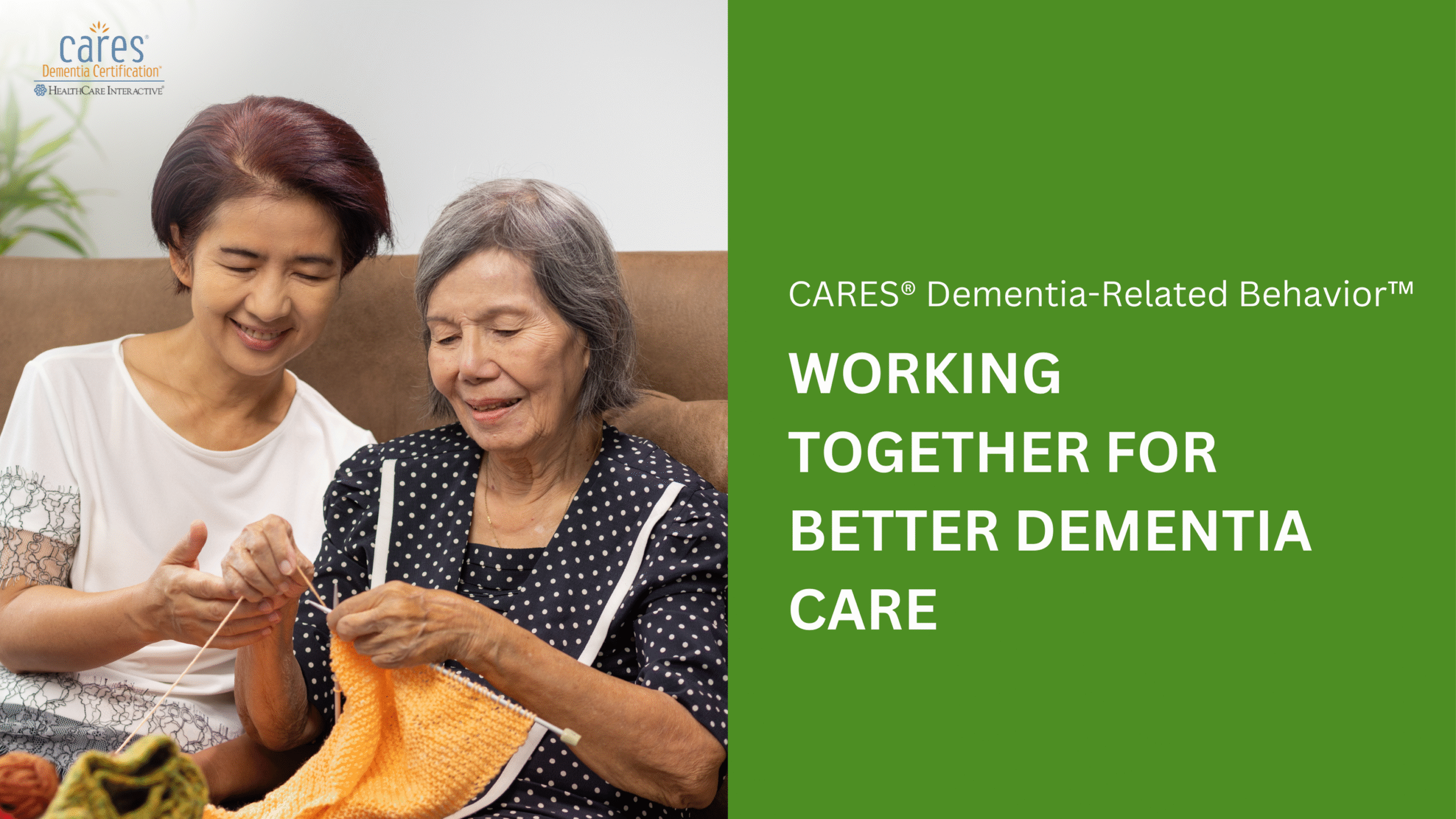
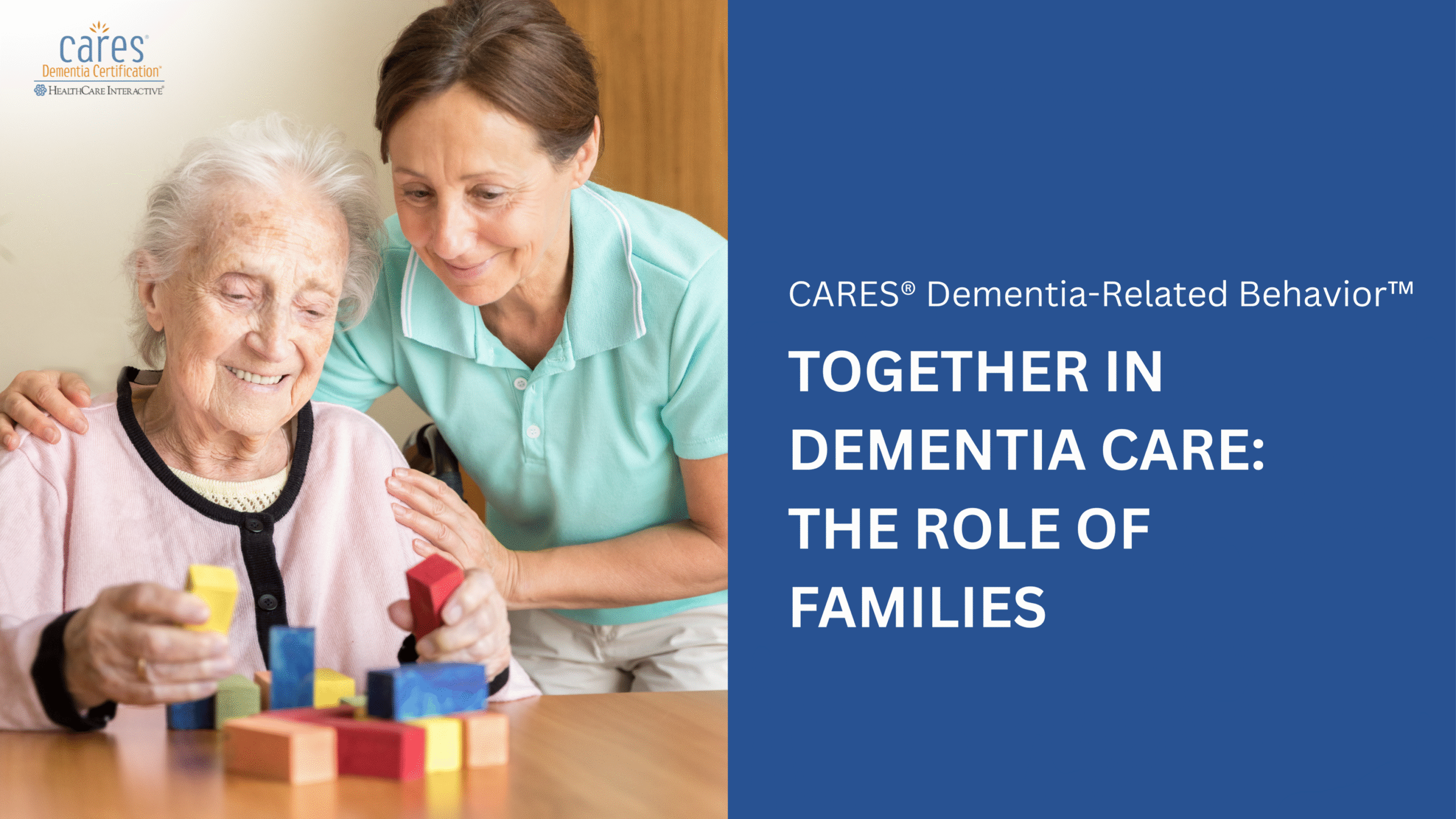
All these approaches contribute to better dementia care quality of life. When individuals feel safe, respected, and emotionally supported, they are more engaged and cooperative. In dementia care, communication is not just about words—it is a daily tool for preserving dignity, reducing stress, and nurturing meaningful human connection.
Strengthen your dementia care communication skills and learn how to support emotional well-being with confidence and compassion. Build your expertise with CARES® Training and enjoy 10% off with code SpringFlowers26 through May 31, 2026.