

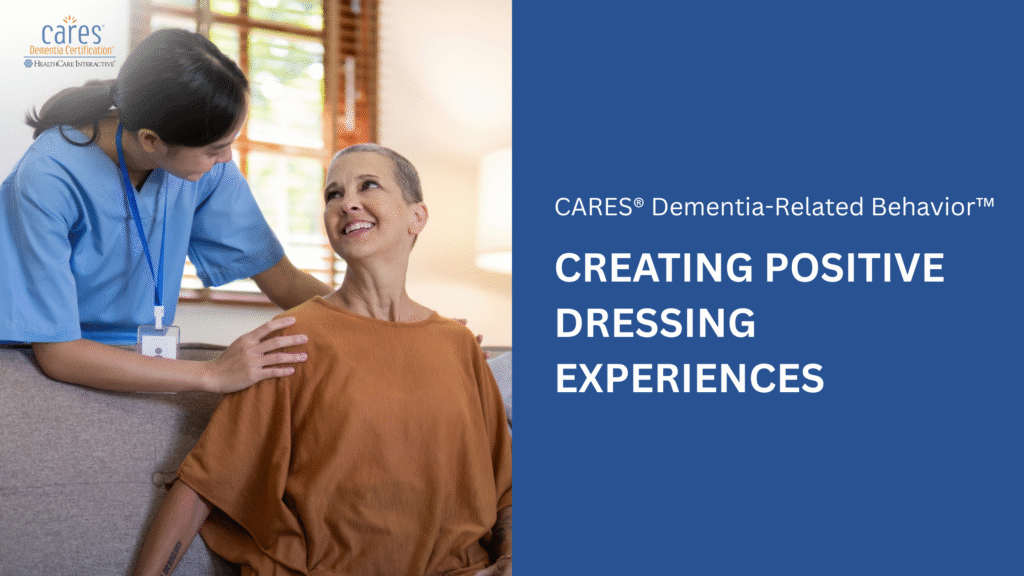
Getting dressed is a routine many of us take for granted, yet it plays an important role in how we feel each day. The clothing we choose reflects our personality, preferences, and sense of identity. For people living with dementia, these preferences remain important, even when they need assistance with dressing.
Promoting Comfort and Independence
As dementia progresses, individuals may need support selecting clothing or completing the dressing process. A compassionate, person-centered approach can help make dressing a more comfortable and positive experience. Respecting personal preferences, offering simple choices, and allowing individuals to participate as much as possible helps preserve dignity and independence.
Comfort also matters. Clothing that fits well, feels comfortable, and reflects a person’s usual style can improve confidence and emotional well-being. Familiar colors, fabrics, and outfits may provide reassurance and help individuals feel more like themselves.
Using Compassionate Support During Dressing
Dressing assistance should focus on the person, not just the task. Caregivers can use the CARES® Approach by communicating calmly, explaining each step, and responding with patience and empathy. Understanding the individual’s preferences and routines can reduce frustration and make the experience more positive.
Family members may also have concerns about clothing choices or appearance. Open communication and a focus on the person’s comfort and preferences can help build trust and support collaborative care.
By prioritizing comfort, choice, and dignity, caregivers can transform a daily task into an opportunity to support confidence, well-being, and person-centered care.
Help individuals feel comfortable, confident, and respected through person-centered support. Strengthen your caregiving skills with CARES® Training and enjoy 10% off with code SummerFun through May 31, 2026.