

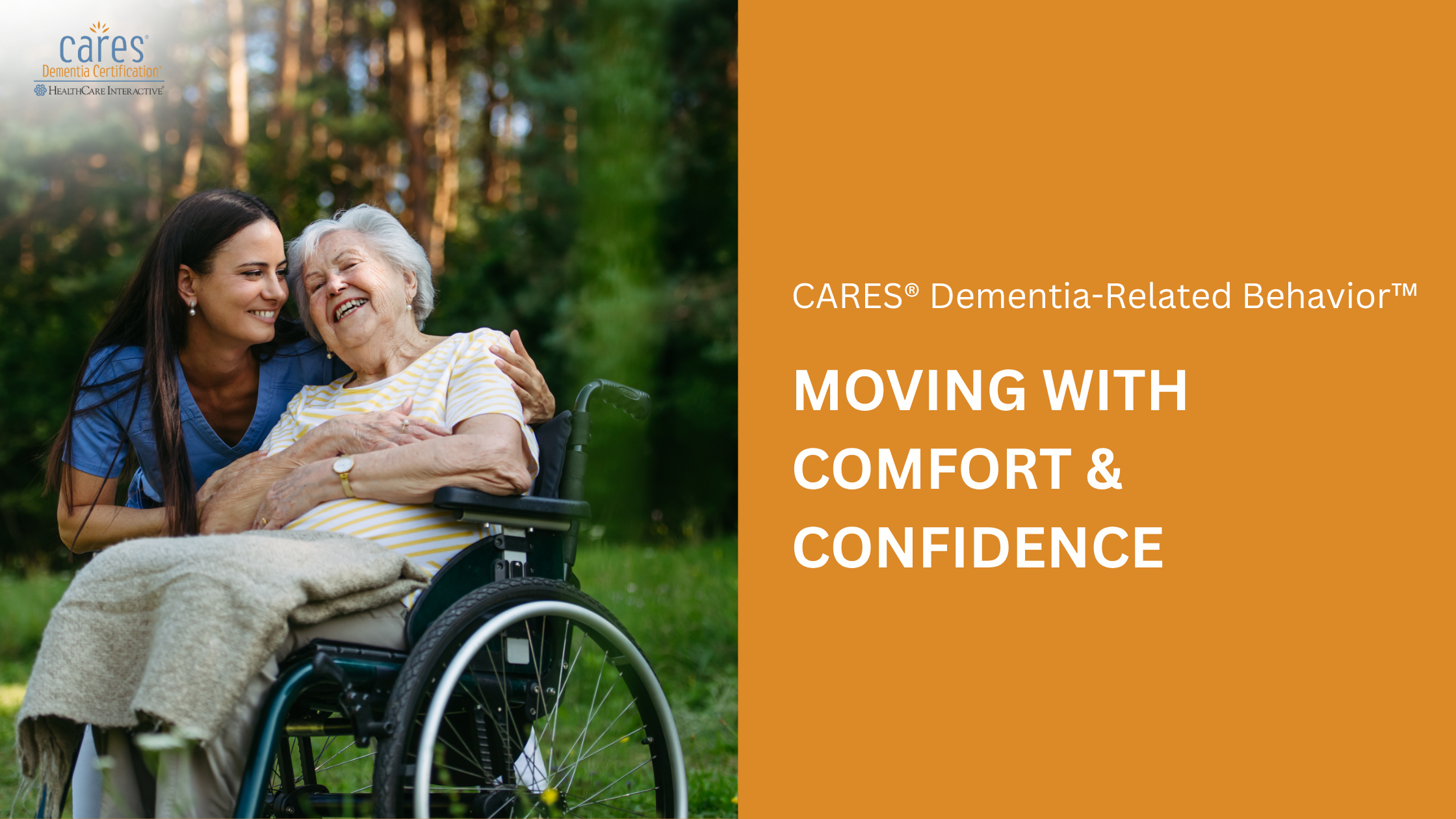
Supporting Movement, Comfort, and Independence in Dementia Care

Movement is an important part of everyday life, but people living with dementia may experience changes in how they sit, stand, walk, rest, or reposition themselves. Understanding these preferences can help caregivers provide better movement and dementia care while supporting comfort and independence.

Everyone Has Different Movement Preferences

Some people naturally fidget, cross their legs, tap their feet, or change positions frequently. Others may prefer to curl up on a comfortable chair or change sleeping positions throughout the night. These behaviors can provide clues about what makes a person comfortable.

Rather than expecting someone to remain still, caregivers can observe their habits and make simple adjustments. Providing enough legroom, comfortable seating, opportunities to reposition, or space to move around can support dementia comfort.

Movement Supports Independence

Being able to move freely can have a strong connection to independence. Losing the ability to get around easily may leave a person feeling isolated or dependent on others. Supporting safe mobility in dementia can therefore involve more than physical assistance—it can help maintain confidence and participation in everyday life.

Whenever possible, encourage people to move in ways that are safe and meaningful to them. Small opportunities to stand, walk, stretch, or change position can make daily routines more comfortable.

Get to Know the Person

The CARES® Approach encourages caregivers to understand individual preferences rather than treating everyone the same. Learning how someone likes to sit, sleep, move, and rest can strengthen person-centered dementia care.

By recognizing these preferences and supporting safe movement, caregivers can help preserve dementia independence, comfort, and quality of life.

Build your skills in person-centered dementia care with CARES® Training. Save 10% with code FallLeaves10 through November 15, 2026.
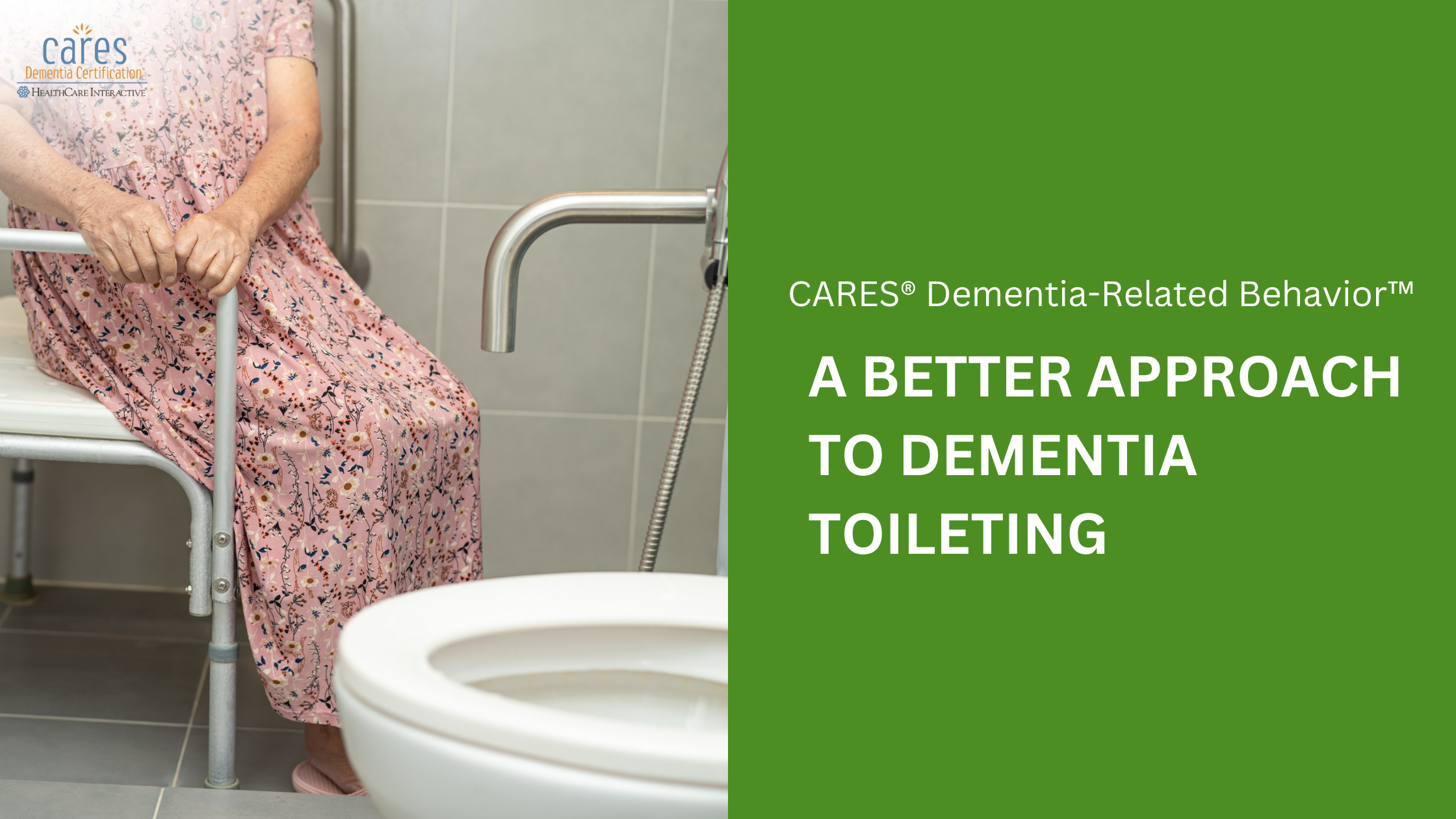
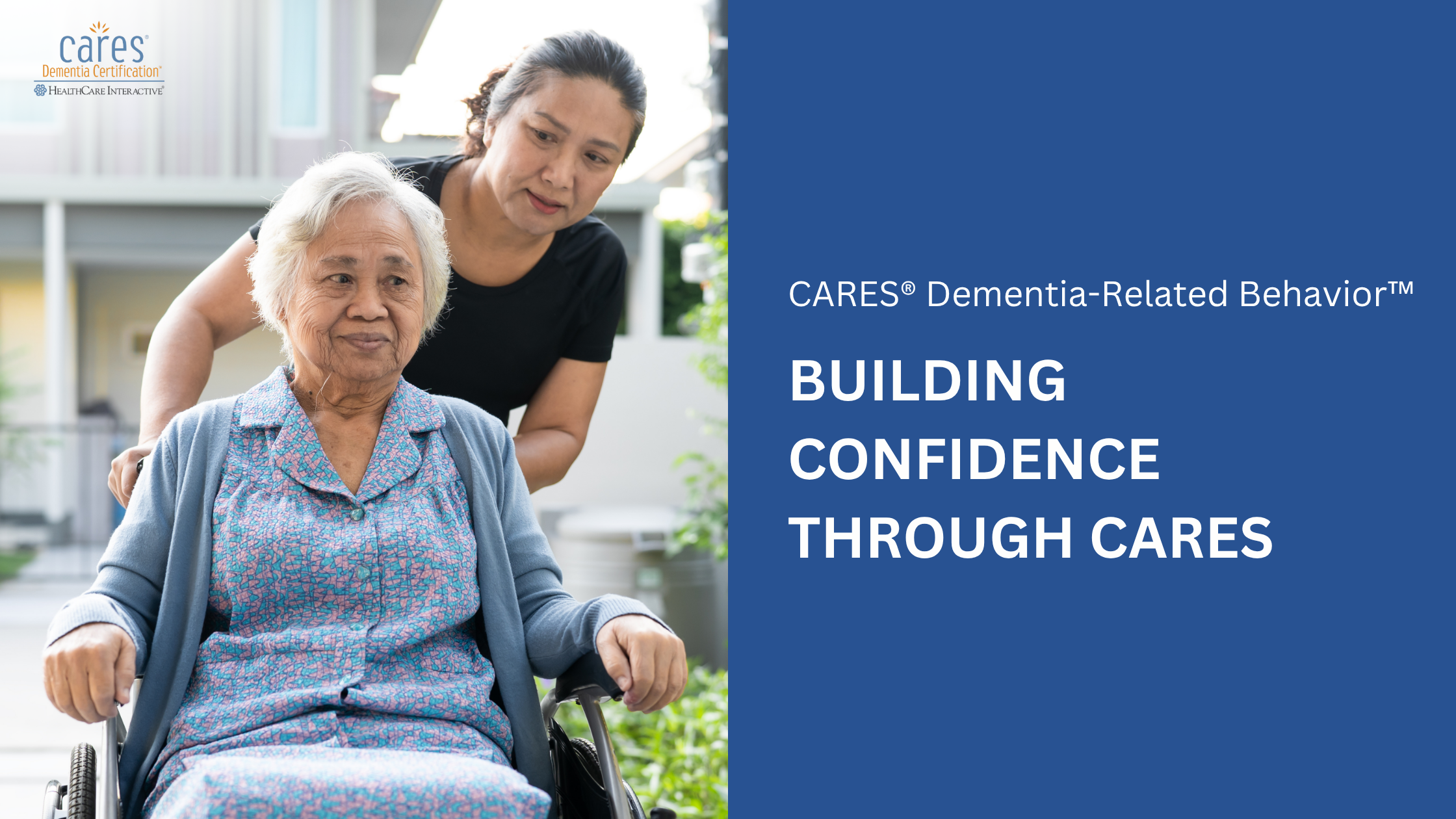
Applying the CARES® Approach to Bathroom Care

Helping a person with dementia use the bathroom is more than completing a daily task. It is an opportunity to provide reassurance, maintain dignity, and build trust. The CARES Approach for dementia gives caregivers a practical way to make toileting more comfortable and person-centered.

Connect Through Communication

During bathroom assistance, calm communication can help the person feel safe. Speak clearly, explain what you are doing, and offer encouragement throughout each step. Simple comments about familiar topics, such as meals, hobbies, or daily activities, can also create a sense of connection.

Assess and Respond to Individual Needs

People living with dementia may have difficulty remembering instructions or understanding what is happening. Watch their movements and responses rather than relying only on verbal directions. During dementia toileting assistance, gentle physical cues, step-by-step guidance, and extra time may help the person participate safely.

Encourage Independence

Whenever possible, allow the person to do what they can independently. In the example, Laverne is encouraged to hold the grab bar, move her leg, turn around, and sit down. Recognizing these abilities supports person-centered toileting while preserving confidence and dignity.

Evaluate and Share What Works

Notice which approaches help the person remain calm and cooperative. Sharing successful techniques with the care team can provide consistency during future bathroom visits.

Effective dementia bathroom care requires patience, observation, and flexibility. By applying the CARES Approach, caregivers can turn a routine activity into an experience built around respect, comfort, and compassionate dementia care.

Improve your dementia care skills with CARES® Training and save 10% using code FallLeaves10 through November 15, 2026.

Solutions for Common Dementia Bathroom Care Challenges

Helping a person living with dementia use the bathroom can be challenging. Caregivers may face concerns about privacy, safety, time, or even their own comfort. These situations are common, and they do not mean you are providing poor care. With patience and the CARES® Approach, dementia bathroom care can become more comfortable for everyone.

Creating Comfort and Privacy

If you feel uncomfortable providing toileting assistance, ask another caregiver to help until you feel more confident. Privacy is equally important. Close the bathroom door, avoid undressing the person too early, and use a towel or blanket to provide coverage when appropriate. These simple steps support dignity in dementia care.

Managing Time and Routine

A busy caregiving environment can make it difficult to spend enough time with each person. Learning individual bathroom routines and recognizing signs that someone needs to use the toilet can make dementia toileting more efficient. Daily care activities can also create opportunities to connect through conversation, music, or other meaningful interactions.

Working With Families

Family members may have strong expectations about how care should be provided. When appropriate, ask about familiar routines and involve family members in ways that respect the person’s preferences and wishes. Open communication can support consistent, person-centered dementia care.

Keeping Safety a Priority

If you are concerned about falls or balance, speak with a nurse or supervisor before encouraging greater independence. Support can be gradually reduced when the person demonstrates that they can safely manage more independently.

Every person has different needs. By considering comfort, privacy, time, family involvement, safety, and assistance, caregivers can provide compassionate bathroom support while preserving dignity and independence.

Build your confidence in person-centered dementia care with CARES® Training. Save 10% with code FallLeaves10 through November 15, 2026.
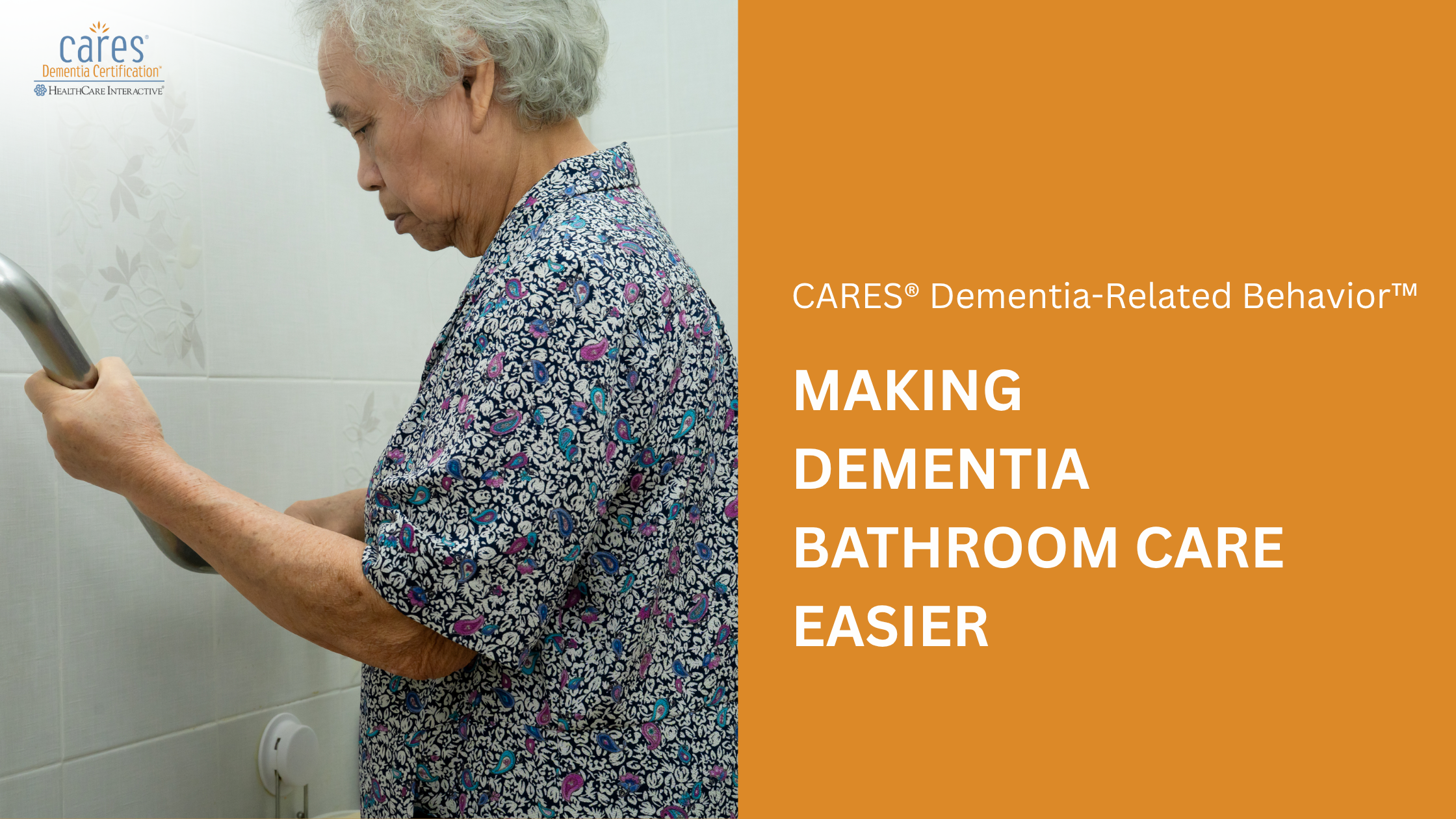
Using the CARES® Approach for Dementia Bathroom Care

Bathroom routines can become challenging as dementia progresses. Sam’s experience shows why simply telling someone where the bathroom is may not always work. Instead, caregivers can use the CARES Approach for dementia to understand the person’s needs and provide effective, person-centered support.

Connect with the Person

Sam often became fidgety and restless before needing to use the bathroom. Recognizing this behavior helped staff understand that it was a signal rather than simply restlessness. Approaching Sam calmly, making gentle contact, and reassuring him helped establish a connection.

Assess Behavior

When Sam did not respond to verbal instructions, staff assessed what was happening. His advanced dementia affected his ability to understand and act on spoken directions. Recognizing this was an important part of providing appropriate dementia toileting support.

Respond Appropriately

Staff used different cues based on Sam’s abilities. Verbal directions were followed by gentle physical cues when needed. Helping him begin movements, such as reaching for his pants zipper, helped him understand what to do. This approach provided practical toileting assistance for dementia while maintaining his dignity.

Evaluate What Works

A two-hour toileting schedule worked well for Sam. Physical cues were also effective, particularly when staff initiated the movement for him. These dementia care strategies helped prevent accidents and reduce anxiety.

Share with Others

Sharing what works ensures consistency across the care team. Staff should know Sam’s toileting schedule, recognize his fidgeting as a possible bathroom signal, and understand which cues help him successfully use the toilet.

Sam’s experience demonstrates how person-centered dementia care can turn a difficult routine into a more comfortable and successful experience.

Learn practical approaches for supporting dementia toileting with CARES® Training. Save 10% with code FallLeaves10 through November 15, 2026.

Supporting Dignity During Bathroom Care for People With Dementia

Helping a person with dementia use the bathroom can sometimes feel frustrating, especially when reminders do not seem to work. But effective dementia bathroom care is not only about preventing accidents—it is about understanding what the person is experiencing and preserving their dignity.

Why Reminders May Not Be Enough

A person living with dementia may feel the need to urinate without understanding what that feeling means or where they need to go. You may notice signs such as fidgeting with clothing, restlessness, or anxiety. These behaviors can be important clues.

Instead of relying only on verbal reminders, caregivers can learn the person’s bathroom routine. Taking them to the toilet after meals, before bedtime, or every few hours may work better than simply telling them to use the bathroom. This approach can make dementia toileting more predictable and reduce dementia bathroom accidents.

Making Bathroom Assistance More Dignified

For someone who cannot get out of bed or a chair independently, bathroom assistance for dementia patients may require additional time or another caregiver’s help. Even when the person does not actually use the toilet, helping them get up regularly supports dignity and comfort.

Understanding Bowel-Related Behaviors

Bowel accidents can be particularly challenging for caregivers of people with dementia. If a person touches or smears stool, they may simply be reacting to an uncomfortable sensation they do not understand. Their behavior is not necessarily intentional.

Understanding these toileting challenges in dementia can help caregivers respond with patience rather than frustration. With consistent routines, observation, and compassionate dementia caregiving, bathroom care can become more manageable while protecting the person’s comfort and dignity.

Promote dignity, comfort, and compassionate bathroom care with CARES® Training. Save 10% with code FallLeaves10 through November 15, 2026.