
Why Positive Physical Approach Matters in Dementia Care?

Caring for person with dementia requires patience, understanding, and thoughtful communication, and the way caregivers physically approach them plays a key role in their comfort. A calm, respectful approach helps reduce confusion and anxiety, creating a safer, more supportive environment for everyday interactions.

Understanding the Positive Physical Approach

A helpful technique used in dementia care is the Positive Physical Approach. This method focuses on creating a calm and respectful connection before beginning any task or conversation. When caregivers approach thoughtfully, it helps the person feel more secure and prepared for the interaction.

Key steps of the Positive Physical Approach include:

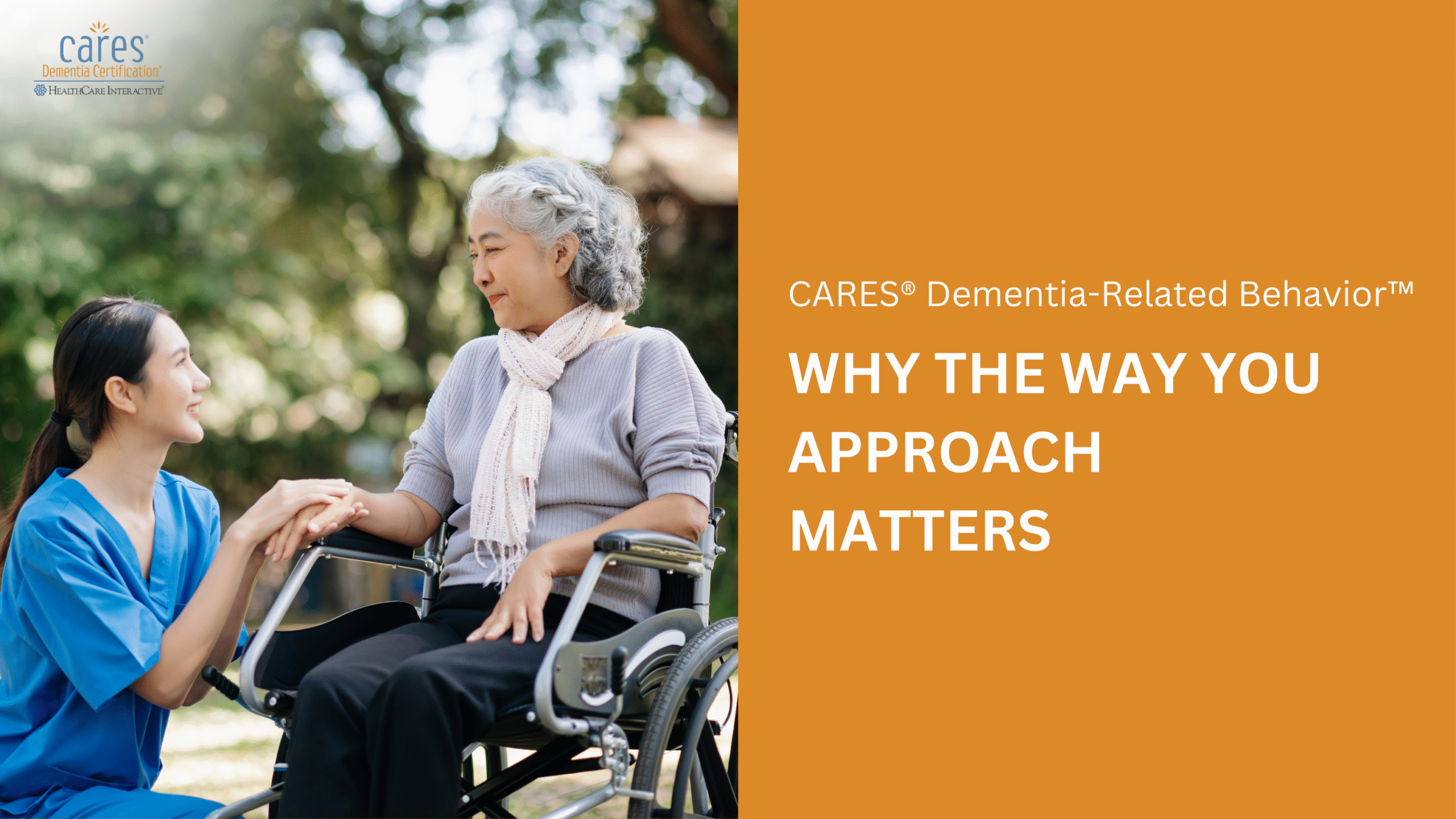
• Approach from the front so the person can clearly see you.

• Walk slowly to avoid startling them.

• Move slightly to the side rather than standing directly over them.

• Lower yourself to eye level by crouching or kneeling.

• Offer your hand as a friendly gesture.

• Greet the person warmly by name.

The Importance of Consistency

Consistency plays an important role in dementia care. Because memory is affected by the condition, a person may not remember seeing a caregiver earlier in the day or even a short time ago. Using the same calm and respectful approach each time helps create familiarity and reassurance. Over time, this routine can help the person feel more comfortable during interactions and reduce feelings of confusion or anxiety.

Creating Calm and Respectful Interactions

In dementia care, small actions can make a meaningful difference. Taking a moment to approach someone calmly, greet them warmly, and communicate at eye level helps build trust and comfort.
Practicing a Positive Physical Approach encourages compassionate, respectful care. It also helps create more positive daily interactions, allowing individuals living with dementia to feel valued, understood, and supported.

Discover how a Positive Physical Approach can improve interactions in Dementia Care. Deepen your skills with CARES® Training, now 10% off with code SpringFlowers26, valid through May 31, 2026!
What Do We Mean by Dementia-Related Behavior?

In dementia care, the words we use matter. That’s why it’s important to move away from blaming language like “challenging,” “difficult,” or “disruptive.” While certain actions may feel difficult for those of us without dementia, people living with dementia are always more than their behavior. Understanding behavior changes in dementia starts with recognizing the person behind those actions.

Understanding Behavior as Communication

If someone in your care responds in ways that seem unusual or confusing, it helps to pause and ask a deeper question. Often, behavior changes in dementia are a form of communication. The behavior may be expressing fear, discomfort, confusion, or an unmet need. Rather than ignoring, scolding, or immediately medicating, taking time to understand the message can lead to more supportive care.

This approach also helps clarify what is dementia-related behavior—actions influenced by changes in the brain, not intentional choices made to cause disruption.

Choosing Non-Blaming Language

Using non-blaming language in dementia care shifts how we think and how we respond. When the focus stays on the disease rather than the person, care becomes more compassionate and less reactive. Language that removes blame opens the door to curiosity, patience, and understanding.

A CARES® Tip: Pause and Reflect

When you notice behavior changes in dementia that feel bothersome, ask yourself:

• Is anyone being harmed?
• Is this a problem for others, or just uncomfortable for me?

If no one is upset or at risk, it may be okay to let the behavior continue. Sometimes, “rolling with it” reduces stress for everyone involved.

How Common Are These Changes?
Behavior changes in dementia are very common, both in care settings and at home. Research shows that 70% to 90% of nursing home residents with dementia experience behaviors often described as resistive, threatening, or disruptive. Studies also show that more than 80% of people living with dementia experience some form of behavior change at some point.

While these numbers may feel overwhelming, they also remind us that these behaviors are not unusual or intentional. They are part of how dementia affects the brain. The encouraging news is that when caregivers understand why behavior changes in dementia happen and learn thoughtful ways of responding to dementia behavior, daily interactions often become calmer, more supportive, and less stressful for everyone involved.

Seeing behavior differently can ease stress and improve care. Deepen your learning with CARES® Training and receive 10% off using code SpringFlowers26 through May 31, 2026!.

Common Causes of Dementia Behavior

Common Causes of Dementia Behavior

Understanding dementia-related behavior can be challenging, especially for caregivers who truly want to help but may not always know what the person is trying to communicate. In many situations, behaviors linked to dementia are not random or intentional. They are often signals that something is bothering the person physically, emotionally, or within their environment. Recognizing the causes of dementia behavior can help caregivers respond with patience and understanding rather than frustration.

Imagine feeling hungry, thirsty, cold, or exhausted but being unable to explain it to anyone. That kind of discomfort can easily lead to Frustration, Anxiety, or Agitation. For people living with dementia, this situation can happen often. Understanding the causes of dementia behavior allows caregivers to look beyond the reaction and consider what the person might actually need.

Frustration and Loss of Control

People with dementia may feel overwhelmed when tasks become too difficult or when they are given too many choices at once. This loss of control can create stress and confusion. In many cases, these moments appear through dementia frustration signs, such as agitation, resistance, or sudden mood changes.

Helpful ways to reduce frustration include:
• Suggesting tasks the person can complete successfully
• Avoiding arguments, even if the person’s statements are incorrect
• Maintaining familiar daily routines
• Offering simple choices rather than open-ended questions
These small adjustments can help the person feel more comfortable and supported while also helping caregivers in managing dementia behavior more effectively.

Pain, Discomfort, and Physical Needs

Sometimes behaviors such as agitation or aggression may actually be signs of physical discomfort. A person might not be able to explain that something hurts, but their body language may reveal it.

Common signs to watch for include:
• Rubbing or holding a specific part of the body
• Sweating or a flushed face
• Shivering or shaking
• General restlessness or agitation

Caregivers should also check for simple issues like tight clothing, irritation from tags or zippers, hunger, thirst, or the need to use the bathroom. Addressing these needs can remove many of the hidden causes of dementia behavior that often go unnoticed.

Emotional Pain and Loneliness

Dementia can also bring emotional challenges. Feelings of sadness, fear, or isolation may appear through changes in behavior. These moments may reflect dementia emotional distress, even when the person cannot clearly explain what they are feeling.

Possible signs include:
• Loss of appetite
• Changes in sleeping patterns
• Frequent crying or anger
• Loss of interest in activities
• Repeated calls for help

Reassurance can provide comfort during these moments. Simple statements like “You’re safe here” or “I’m here with you” can help reduce fear and anxiety.

Creating a Calm and Supportive Environment

Sometimes behaviors occur simply because the environment feels overwhelming. Loud noises, busy rooms, or rushed care routines can increase stress for someone with dementia. Speaking calmly, keeping activities simple, and allowing extra time for daily tasks can create a more peaceful experience.

When caregivers understand the causes of dementia behavior, they can respond with empathy instead of reacting to the behavior itself. This approach not only improves daily care but also strengthens the connection between caregivers and the people they support. Recognizing the causes of dementia behavior helps create a calmer, more compassionate environment for everyone involved.

Seeing behavior differently can ease stress and improve care. Deepen your learning with CARES® Training and receive 10% off using code WinterSale26 through March 21, 2026!.

When Words Fade, Behavior Becomes Communication

As dementia progresses, many people lose the ability to communicate clearly with words. They may say things that don’t make sense, express emotions in unexpected ways, or say very little at all. While language changes, feelings do not—and understanding that dementia behavior is communication helps us listen beyond words. People living with dementia still experience comfort, fear, frustration, and connection, often without the language they once relied on.

Behavior as a Form of Communication

When words fade, behavior takes their place. Facial expressions, movement, tone, and sounds all become ways of communicating. Dementia behavior is communication, reflecting how the person is experiencing the world in that moment. These behaviors are not random or meaningless—they are telling us something important.

Why Labels Can Do Harm

Caregivers sometimes describe behaviors as “challenging,” “difficult,” or “inappropriate.” Although often unintentional, these labels place blame on the person rather than on the disease. Avoiding blame in dementia care means recognizing that these changes are not choices. Blaming someone for dementia-related behavior would be like blaming a person with severe arthritis for struggling to walk—it simply isn’t fair or respectful.

Seeing the Situation Through Their Eyes

What may appear confusing or disruptive to us may make complete sense in the person’s reality. Dementia behavior is communication shaped by fear, discomfort, or an unmet need. When we pause and see the situation through their perspective, frustration often gives way to understanding.

• What might this behavior be communicating?

• What could the person be feeling right now?

• How can we respond in a supportive way?

Choosing Curiosity Over Blame

The words we use matter. They shape how others see the person and how care is delivered. Choosing person-centered dementia care means shifting from labels to language that reflects empathy. Instead of saying someone is “causing trouble,” we can say they seem troubled.

By recognizing that dementia behavior is communication, we move toward compassionate dementia care—creating space for dignity, empathy, and meaningful connection, and meeting people where they are rather than judging how they got there.

Small shifts in understanding behavior can make a meaningful difference in dementia care. Deepen your learning with CARES® Training and enjoy 10% off using code WinterSale26 through March 21, 2026!