

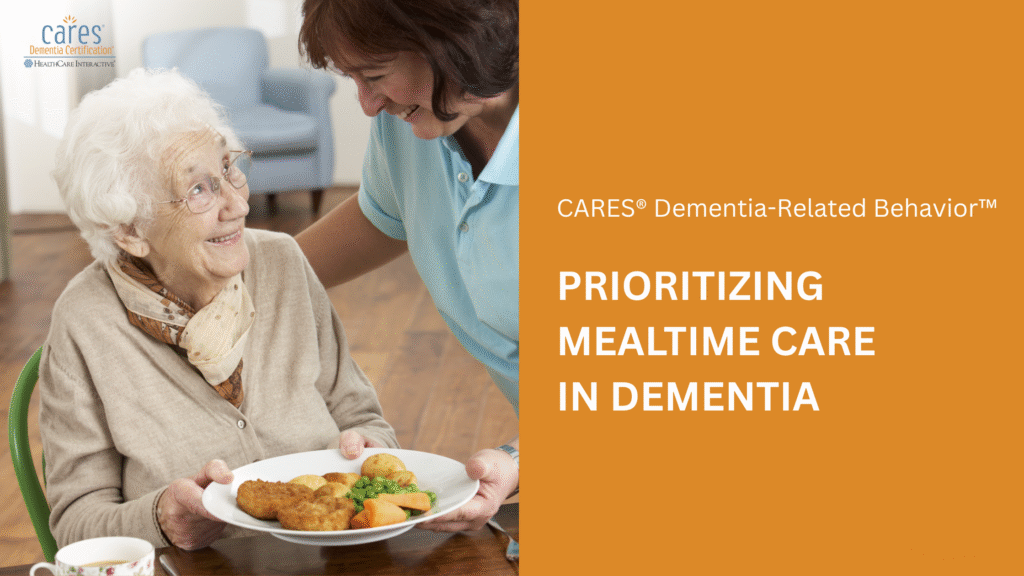
Providing mealtime care in dementia often means supporting several people at once, each with different abilities, dietary needs, and levels of independence. While one-on-one care is ideal, caregivers frequently need to make quick decisions about who needs help first while ensuring everyone feels safe, respected, and supported.
Prioritize Care Based on Individual Needs
When multiple people require assistance, caregivers should focus on safety and nutrition while considering each person’s unique needs.
Key priorities include:
• Assist individuals who need help eating before those who eat independently.
• Give prompt attention to people on pureed or liquid diets.
• Watch for behaviors such as wandering, impatience, or reaching for others’ food.
• Encourage individuals who can eat independently but may need occasional reminders.
• Monitor everyone throughout the meal for signs of discomfort or difficulty eating.
Use Person-Centered Mealtime Strategies
Effective dementia care prioritization is about more than completing tasks—it involves understanding each person’s preferences, routines, and life story. Familiar conversations or favorite foods can help create a calmer dining experience.
Helpful strategies include:
• Learn each person’s eating habits and preferences.
• Communicate calmly and provide reassurance.
• Encourage independence whenever possible.
• Stay flexible as needs may change during the meal.
• Observe and report changes in eating behaviors to the healthcare team.
By applying person-centered meal assistance and thoughtful dementia caregiving strategies, caregivers can manage multiple residents while promoting comfort, dignity, and positive mealtime experiences.
Improve your dementia care skills with CARES® Training and save 10% using code SummerFun through September 30, 2026.