
What Does Your Behavior Communicate?

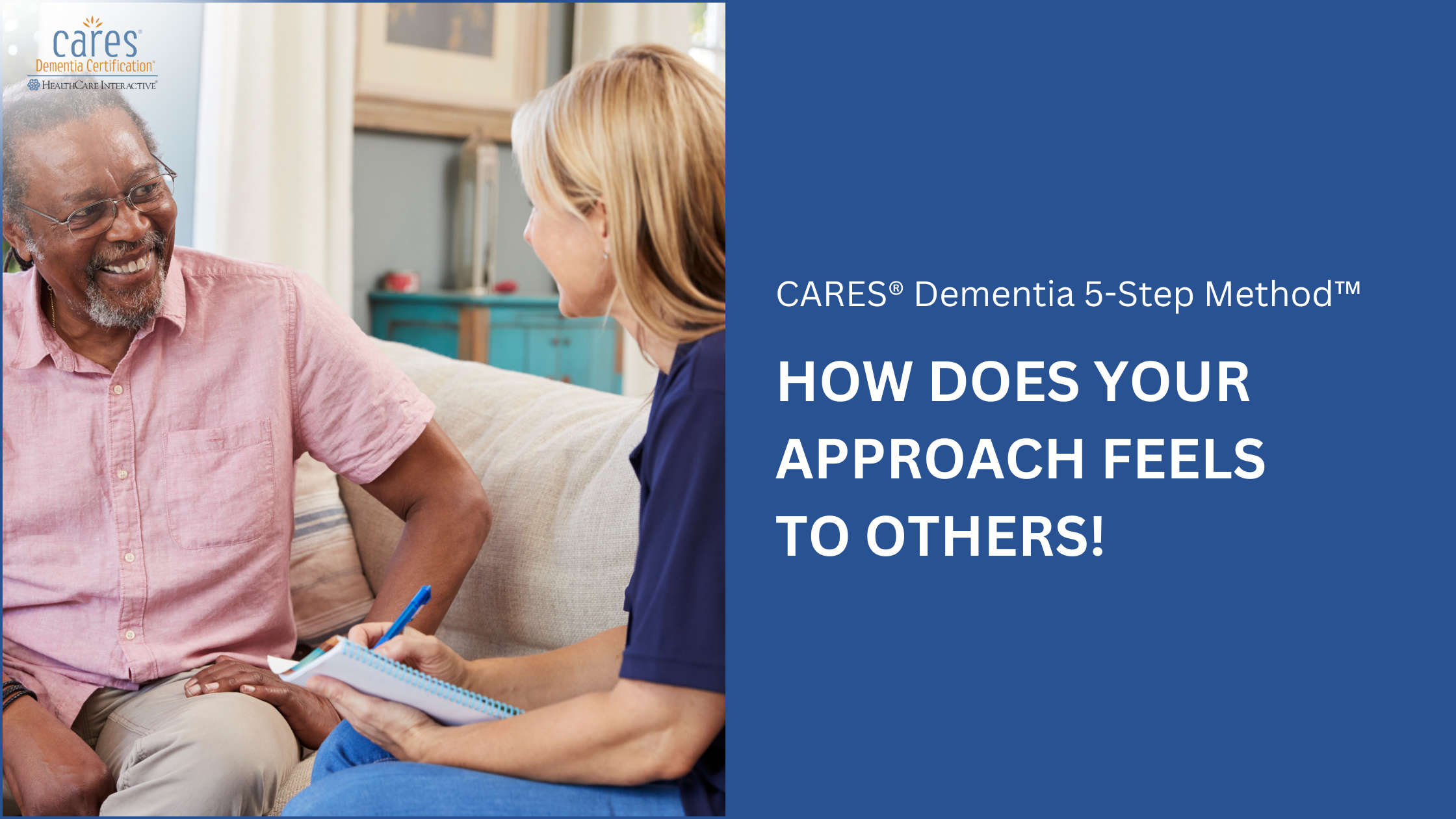
A Person living with dementia may struggle to understand the words you say, but they will understand How you communicate—the tone of your voice, your facial expressions, body language, and overall attitude—has a significant impact on how your message is received. Even if the words are unclear, your feelings and intentions can still be understood.

Understanding Emotional Intelligence in Caregiving

Understanding emotional intelligence is essential when caring for someone living with dementia. It helps you recognize and manage both your emotions and of the person you are caring for, ensuring your communication is more effective and compassionate.

Give Your Full Attention

If you’re a caregiver, focusing solely on tasks like ensuring the person living with dementia has eaten or taken their medicine is not enough. It’s important to provide person centered care.

Consider these options:

• Engage in conversation: Include the person with dementia in meaningful exchanges, even if the dialogue is simple.

• Use non-verbal cues: Smile, make eye contact, and adopt an open posture to communicate warmth and care. The importance of body language in dementia care cannot be overstated as non-verbal cues speak volumes..

• Show patience and empathy: Be understanding and supportive, even if the conversation or activity takes longer than expected..

Avoid distractions like texting or checking your emails during these interactions. When you give your undivided attention, it shows that you value them as a person, not just as someone to care for. Small gestures of connection can make a big difference in creating a sense of comfort and understanding.

Would you like to earn your certification in CARES® Dementia 5-Step Method?

Start now and gain access to Module 1 for free at www.hcinteractive.com/5StepDemo.

Don’t miss out—this limited-time offer is available now!

Dealing with Challenging Behaviors in Dementia Care

Caring for someone with dementia involves understanding a variety of behaviors, such as repeating phrases, hoarding items, or wandering. These behaviors and others are normal and how people living with dementia communicate. While these behaviors can be challenging, they are not intentional and there are many effective strategies that can be used to respond to them.

Responses to Dementia-Related Behavior

Physical aggression often signals distress. A person may feel scared, confused, or frustrated, expressing these emotions by hitting, biting, or scratching. Since verbal communication can be difficult, these actions should be seen as a cry for help from those displaying challenging behaviors in dementia. Providing reassurance and emotional understanding can help caregivers address the root cause of the behavior.

• Hoarding behavior: Moving or hiding items stems from a desire to keep things safe. Instead of confronting them, caregivers can retrieve items later when the person is distracted.

• Paranoia: Suspicious thoughts, like believing someone is stealing or harming them, are common. Avoid arguing; instead, offer reassurance and redirect their focus.

• Hallucinations: These can range from comforting to frightening. Gently acknowledge their feelings and guide their attention to something calming.

Wandering: A Form of Communication

Wandering is one of the more common challenging behaviors in dementia, often reflecting underlying needs, such as boredom, hunger, or a desire for companionship. It can even provide benefits, such as promoting mobility and reducing restlessness, as long as it’s done safely.

Caregivers should focus on understanding the reasons behind wandering while ensuring safety.
Ask yourself:

• Is the person looking for a friend or family member?

• Do they feel unsafe or insecure?

• Could they need companionship or reassurance?

• Are they restless, bored, or in need of a physical outlet?

• Might they be hungry, thirsty, in pain, or in need of the bathroom?

By considering these possibilities, caregivers can better respond to wandering in a compassionate and helpful way.

Responding with Patience and Understanding

Every behavior is a form of communication. For instance, repetition in dementia or wandering often signals unmet needs or emotions. By recognizing the meaning behind these actions and staying calm, caregivers can create a supportive environment. Nonverbal communication, like a warm smile or gentle touch, can also help convey reassurance and patience.

Focusing on safety, emotional understanding, and providing comfort can transform caregiving into a more positive experience for everyone involved.

Would you like to earn your certification in CARES® Dementia 5-Step Method?

Start now and gain access to Module 1 for free at www.hcinteractive.com/5StepDemo.

Don’t miss out—this limited-time offer is available now!

Understanding Nonverbal Communication in Dementia

Understanding non-verbal communication is essential when working with people living with dementia. Nonverbal communication refers to how we use body language, facial expressions, gestures, tone of voice, and movement to convey messages without using words. For individuals with dementia, these nonverbal cues become vital for effective communication and understanding. Below are some common nonverbal cues you might see in people living with dementia.

Common Nonverbal Cues in Dementia

• Facial expressions: Smiles, frowns, or a furrowed brow can indicate emotions like happiness, confusion, or discomfort.

• Body language: Restlessness, crossed arms, or a relaxed posture can reveal a person’s mood or state of mind.

• Gestures: Pointing, waving, or other hand movements may convey needs or intentions.

• Vocalizations: Changes in pitch, tone, or volume can express emotions, even if words are unclear.

• Eye contact: Direct or averted gazes might reflect engagement, fear, or disinterest.

Responding to Nonverbal Cues

Caregivers should take time to observe and interpret these nonverbal signals, as they can offer valuable insights into the person’s needs and feelings. By responding with empathy and adjusting the approach—whether through a comforting tone, gentle touch, or calming gestures—you can build a stronger connection and ensure they feel understood and supported. This is an important aspect of learning how to communicate with dementia patients effectively.

Would you like to earn your certification in CARES® Dementia 5-Step Method?

Start now and gain access to Module 1 for free at www.hcinteractive.com/5StepDemo.

Don’t miss out—this limited-time offer is available now!

Responding to “I Want to Go Home” in Dementia Care

Understanding the Situation

People living with dementia often express a desire to “go home,” even when they are in a place they consider their home. This can be an emotional reaction stemming from feelings of loneliness, confusion, or nostalgia. Reassuring dementia patients during such moments is crucial to providing comfort and security.

Immediate Responses

When a person living with dementia says, “I want to go home,” it’s important to focus on the emotional needs underlying the statement:

• Loneliness or Fear: “I know you miss your beautiful home in the country. Tell me about it.”

• Comfort and Familiarity: “Everyone’s staying here tonight, so you won’t be alone. Let’s go look at your room—it’s very nice.”

For other statements, such as “I’m leaving for work now,” the person might feel anxious or confused about their routine:

• Redirecting with Purpose: “You’re such a good worker. Would you help me organize these papers?” This creates a meaningful task and redirects focus.

Similarly, if a person says, “My purse was stolen,” they may feel scared or upset:

• Offering Reassurance: “Oh no! Let me help you look for it.” Reassuring dementia patients and offering assistance calms their anxiety.

What It Means and How to Respond

In many cases, behaviors like rocking in a chair and saying “Help me” are not necessarily distress signals but comforting, repetitive actions. Understanding emotional reactions and needs is key:

• Sit and Observe: Try sitting down with the person, holding their hand, and gently asking, “How can I help?” Even if they cannot provide an answer, your calm presence may be all they need.

Ultimately, the goal is to connect with the emotional experience behind their words and provide reassurance. Reassuring dementia patients in this way helps create a sense of home, focusing on comfort rather than the physical location.

Would you like to earn your certification in CARES® Dementia 5-Step Method?

Start now and gain access to Module 1 for free at www.hcinteractive.com/5StepDemo.

Don’t miss out—this limited-time offer is available now!

What is “Real” to the Person Living with Dementia?

Dementia patients often have a “sense of reality” that differs from our own. However, what does this actually mean for the way you treat the individual? Consider this scenario: Alice, the person you are looking after, is trying to find her mother, who passed away a long time ago. In this scenario, before responding you should know.

“Reality Orientation” Reality orientation dementia is often ineffective and might lead to negative emotions such as sadness, anger, or agitation.

“Joining with” Feedback: Joining the person in her reality can be quite beneficial and calming for the person suffering from dementia. A lot of caregivers choose this method.

“Focus on Feelings” Feedback: This is another approach that works well. Listen carefully to how the person feels about what they are saying or doing. For example, why is the woman with dementia looking for her mother? Is she sad, hungry, lonely, or depressed? recognizing the person’s emotions will help you respond to them in a way that fulfills their needs.

Supporting Emotions with Empathy in Dementia Care

When someone exhibits a behavior needing attention, like crying or being upset, the first step is to acknowledge their feelings. For example, say, “You look upset. I’m so sorry. What’s going on?” Recognizing emotions helps people feel understood and valued.

If they share a specific concern, such as losing a purse, take steps to help:

• Ask where they last saw it.

• Retrace their steps together.

• Offer a replacement if possible.

Similarly, if someone is angry, acknowledge it by saying, “You look mad. What’s bothering you?” Listen to their response and try to address the issue. Jumping into redirection, like suggesting unrelated activities, often worsens the situation.

For individuals with dementia or Alzheimer’s, respect their feelings and reality, even if it involves unusual preferences, such as wearing lots of makeup or jewelry. Avoid judgment and focus on making their experience easier.

Ultimately, everyone desires love, understanding, and to be heard. Recognizing this and using those dementia care tips can make challenging moments more manageable.

Would you like to earn your certification in CARES® Dementia 5-Step Method?

Start now and gain access to Module 1 for free at www.hcinteractive.com/5StepDemo.

Don’t miss out—this limited-time offer is available now!

Common Causes of Behavioral Changes in Dementia

There are often multiple reasons behind a single behavior. Some common causes of dementia related behavior changes include:

• Physical discomfort (such as feeling hungry, cold, tired, sick, or needing to use the toilet)
• Background noise (like a television)
• An unfamiliar or busy place (such as an airport, shopping mall, or crowded restaurant)
• Vision or hearing loss
• Being asked to do something that’s not understood or is too difficult
• Dementia confusion
• Feeling overwhelmed

Health and Comfort: Recognizing Pain in Dementia

Pain is a common yet often overlooked cause of dementia behavior changes, especially in long-term care residents. Up to 80% of nursing home residents experience pain, much of it unaddressed. People living with dementia may struggle to express their pain. Pain often manifests as:

• Aggressiveness
• Agitation or anxiety
• Facial grimacing or muscle tension

• Unmet needs like hunger, thirst, or discomfort

Emotional pain, such as sadness or fear, may surface through actions like restlessness, vocalizations, or seeking contact for comfort. Addressing physical and emotional needs is important when it comes to understanding behavior changes in people living with dementia.

Impact of Environment in Dementia

The environment plays an important role in how people living with dementia feel and act. If the space is too noisy, bright, or crowded, it can overwhelm them, leading to agitation. On the other hand, if it’s too quiet or boring, they might feel restless or frustrated.

Pay attention to things like:

• Noise levels, lighting, and temperature.
• Whether the room feels too busy or empty.
• Any physical challenges, like slippery floors or confusing layouts.

Creating a balanced, calm space can help reduce stress and make them feel more at ease. This can also help in managing dementia agitation, which can often be triggered by environmental factors.

Frustration in Dementia

Frustration is common in people with dementia because they may want to communicate or do something but can no longer do it. This frustration can stem from:
• Not being able to express themselves.
• Inability to complete tasks.
• A lack of control over their surroundings.

This frustration can lead to agitation, anxiety, or upset, but it’s often not aimed at the person they’re interacting with—it’s about the situation they’re in. Recognizing these dementia behavior changes is key in helping people with dementia and offering comfort.

End-of-Day Confusion and Fear in Dementia

At the end of the day, many people with dementia experience increased confusion and distress. They use a lot of energy throughout the day to process information, complete tasks, and make sense of their surroundings. By the time the late afternoon arrives, they can feel exhausted, and this leads to a lack of energy to manage their behavior or emotions. This is often referred to as “sundowning.”

A key point to remember with dementia behavior changes is that many individuals are scared. They live in a world that no longer makes sense to them, and they feel uncertain about who to trust. They seek reassurance that they are in the right place and that someone understands their needs. Recognizing these signs of dementia confusion helps in managing their emotional and behavioral challenges.

Would you like to earn your certification in CARES® Dementia 5-Step Method?

Start now and gain access to Module 1 for free at www.hcinteractive.com/5StepDemo.

Don’t miss out—this limited-time offer is available now!

Getting to Know the Person Behind the Dementia

To truly understand people living with dementia and their behavior, you must first get to know them. You need to learn what is typical and what is “out of the ordinary” for them. For example, if they usually enjoy morning walks but start refusing to go outside, this could be a change worth noting.

To connect with people suffering from dementia, spend time with them and talk to their family. Learn about their likes and dislikes, what upsets them, and what comforts them.

Dementia Caregiving Tips

Families can share important information about the person with dementia, no matter where you work. Some of the things you can learn from families include information about: For instance, knowing that the person loved gardening can help you integrate small plants or gardening activities into their routine for comfort and familiarity.

• The person’s childhood
• Brothers and sisters
• Activities they like to do now
• Food preferences
• Pets
• High school
• Hobbies
• Jobs
• Sports
• Travel
• Awards
• Children and grandchildren
• War or trauma experience (such as the loss of a child)

Try This: The next time you are around a family member or friend of someone with dementia, ask them to tell you a few things about one of the topics above. For example, you could say, ‘Can you tell me about their favorite hobby or a memory they often talk about?’ This can help spark a meaningful conversation.

Talk with a family member or friend about the person. Explain that this will help you better care for someone with dementia.

Would you like to earn your certification in CARES® Dementia 5-Step Method?

Start now and gain access to Module 1 for free at www.hcinteractive.com/5StepDemo.

Don’t miss out—this limited-time offer is available now!

Observing and Connecting with Purpose in Dementia

Getting to know the person and building a connection is key to understanding their behavior. By observing their actions closely, you can find behavior clues in dementia that help you understand what they might be thinking or feeling. To learn more about what their actions mean, you need to know how to assess them. This can be tricky when caring for someone with dementia, as behavior analysis for dementia care takes patience and attention. Your job is to watch closely and try to understand what they’re telling you.

Look for Behavior clues that can help you figure out what they’re thinking or feeling and why they’re acting the way they are. Understanding behavior is important for creating a connection, and it’s important to take time to assess the behavior and the situation so you can find the best way to help.

Ask the following questions:

1. Who is the person? Why are they like this? What happens? If you use the CARES® Approach from our program, you will know a lot about the person.

2. What happened before, during, and after the behavior? Before you decide why something happened, make sure you really think about what happened in as much detail as you can.

3. Where? Think about where the behavior occurred. Sometimes places can give you clues, because certain places or areas may trigger certain behavior.
When? What time of day and day of the week did it happen? Is there a clue here?

4. With whom? Who was around the person when the behavior happened? Was a family member or caregiver involved? Other staff members?

After considering these important questions, and considering behavior clues in dementia, you can start to understand why the person acted a certain way. Once you have this understanding, it becomes easier to figure out how to help them.

Would you like to earn your certification in CARES® Dementia 5-Step Method?

Start now and gain access to Module 1 for free at www.hcinteractive.com/5StepDemo.

Don’t miss out—this limited-time offer is available now!

Alzheimer’s Care: Antipsychotic Medications

Some of the people you care for may be taking antipsychotic medications. These are meant to treat serious mental illnesses (SMI) like major depression, bipolar disorder, and schizophrenia. When the person also has Alzheimer’s disease, it is important that they remain on these medications to treat their mental illness.

Sometimes, however, antipsychotic medications are used with people who don’t have SMI but exhibit dementia-related behavior that is challenging for staff members. The problem is that this is an “off-label” or unintended use of these medications, and it may lead to dangerous side effects for the person such as excessive sleepiness, dizziness, unsteadiness, reduced wellbeing, social withdrawal, and sometimes even stroke. Moreover, many states actually consider antipsychotic medications to be a form of restraint.

If you notice any of these side effects, tell a nurse or your supervisor.

What Can You Do?

The question is, how do organizations and staff members deal with dementia-related behavior if they do not use antipsychotics? That’s where a person-centered approach like CARES® can make a big difference. CARES is an easy-to-learn approach that you can use in any situation and at any stage of Alzheimer’s disease or related dementias (ADRD), which often helps reduce behavior like repetitive questioning, “shadowing,” swearing, hitting, or biting. And when there is less dementia-related behavior, facility and agency medical staff may no longer need to prescribe as many antipsychotic medications.

By adopting person-centered strategies like the CARES® approach, caregivers can effectively manage dementia-related behaviors while reducing reliance on antipsychotic medications.

To help you get started, we’re offering an exclusive opportunity to enhance your dementia care skills.

Save 15% on CARES® Dementia Certifications with code CDS15PROMO at checkout, and gain free access to Module 1 at www.hcinteractive.com/5StepDemo.

Take advantage of this limited-time offer and empower yourself to provide compassionate, effective care.

Understanding Dementia Behavior as Communication

Understanding Behavior

Dementia changes how people think and understand their surroundings. As time goes on, it becomes harder for them to process and respond to the world around them. This can leave them feeling overwhelmed, confused, or scared. Their emotions and behavior are often ways of communicating how they feel. For example, in dementia communication can be challenging, as people living with dementia might not react well to the care you provide. They may repeat the same question, say unkind things, or become upset. In some cases, they may even hit, bite, or kick. These actions are not intentional or meant to cause harm—they are simply the person’s way of responding to their situation.

Every behavior is a form of communication, and this includes both challenging and positive behaviors. Understanding dementia behavior involves recognizing that while people with dementia may act out in frustration, they are also capable of smiling, laughing, holding your hand, or giving hugs. These are all ways they communicate, too. Taking the time to learn about the people you care for—their history, preferences, and needs—will help you better understand their behavior. It can also give you ideas on how to make them feel more comfortable, less anxious, and more at ease in their environment.

Behavior as Communication

The first thing you have to know is people with dementia aren’t trying to cause problems; they’re struggling to communicate due to their condition. in dementia communication often reflects pain, discomfort, or unmet needs. For example, a sore shoulder might lead to pushing or hitting when they can’t verbalize their pain. Behavior in dementia care should be seen as a form of communication, and it’s important to investigate causes, such as medical issues, environmental factors, or emotional needs. Addressing behavioral triggers in dementia, like overstimulation, loneliness, or boredom, can help alleviate challenges and improve their quality of life.

Enhance your ability to understand and manage dementia-related behavior with HCI’s special offer! Buy 1 CARES® Certification and Get 1 FREE by using the promo code FreeCertPromo at checkout.

Understanding that every behavior is a form of communication is key to providing compassionate care. Learn how to recognize pain, discomfort, and unmet needs in those with dementia, and explore non-pharmacologic therapies like music therapy and multisensory stimulation to ease anxiety and improve quality of life.

Start now and gain access to Module 1 for free at www.hcinteractive.com/5StepDemo.

Don’t miss out—this limited-time offer is available now!