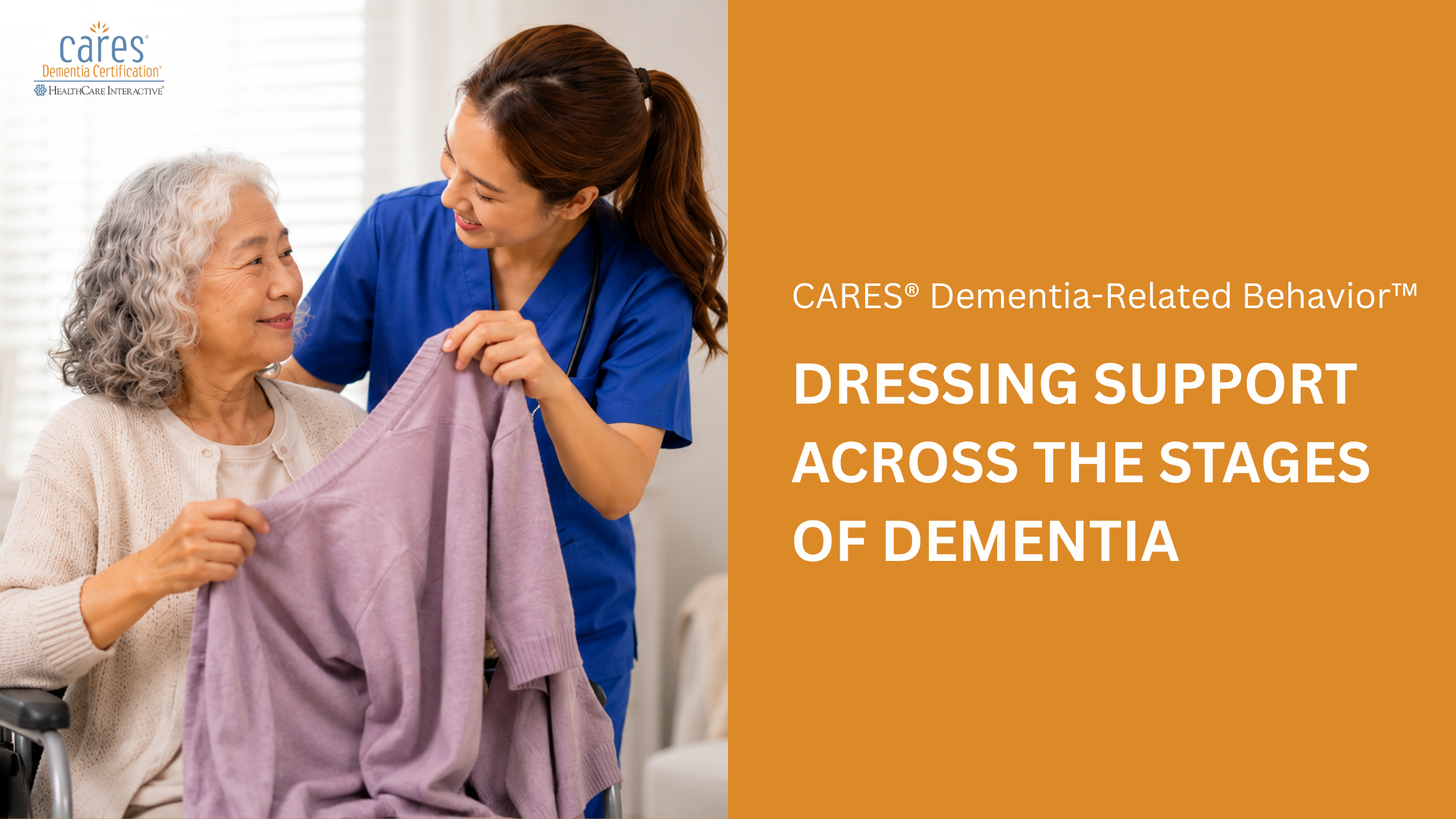


Every interaction during personal care is an opportunity to provide comfort and reassurance. For people living with dementia, dressing can be a vulnerable experience that requires patience, understanding, and compassionate support. By slowing down, paying attention to individual needs, and responding with empathy, caregivers can help reduce stress and create a greater sense of security.
Understanding the Person Behind the Task
Every person has unique preferences, routines, and comfort needs. Taking the time to learn what matters to the individual can make a significant difference. Familiar items, such as a favorite sweatshirt, favorite color, or meaningful conversation topic, can provide reassurance and create a sense of comfort.
For example, using a person’s preferred nickname, talking about a favorite hobby, or offering a favorite article of clothing can help build trust and reduce anxiety before dressing begins. Moving slowly, explaining each step, and allowing the person time to process information can also help prevent feelings of fear or frustration.
Recognizing the Impact of Pain and Discomfort
Pain is often an overlooked cause of resistance during dressing and personal care. People living with dementia may not always be able to clearly communicate discomfort, so caregivers should watch for signs such as grimacing, stiffness, moaning, tears, or protecting certain parts of the body.
If dressing is consistently difficult, caregivers should consider whether pain may be contributing to the person’s distress. Allowing pain medication time to take effect, choosing comfortable clothing, and using gentle movements can make the process easier and less stressful.
Creating Positive Care Experiences
A calm, patient approach often saves time in the long run. Familiar distractions such as music, conversation, or meaningful objects can help the person stay relaxed and engaged. By focusing on comfort, communication, and compassion, caregivers can transform dressing from a stressful task into a more positive and supportive experience.
Learn how the CARES® Approach can help improve daily care experiences and support comfort, dignity, and well-being. Strengthen your caregiving skills with CARES® Training and enjoy 10% off with code SummerFun through August 31, 2026.