

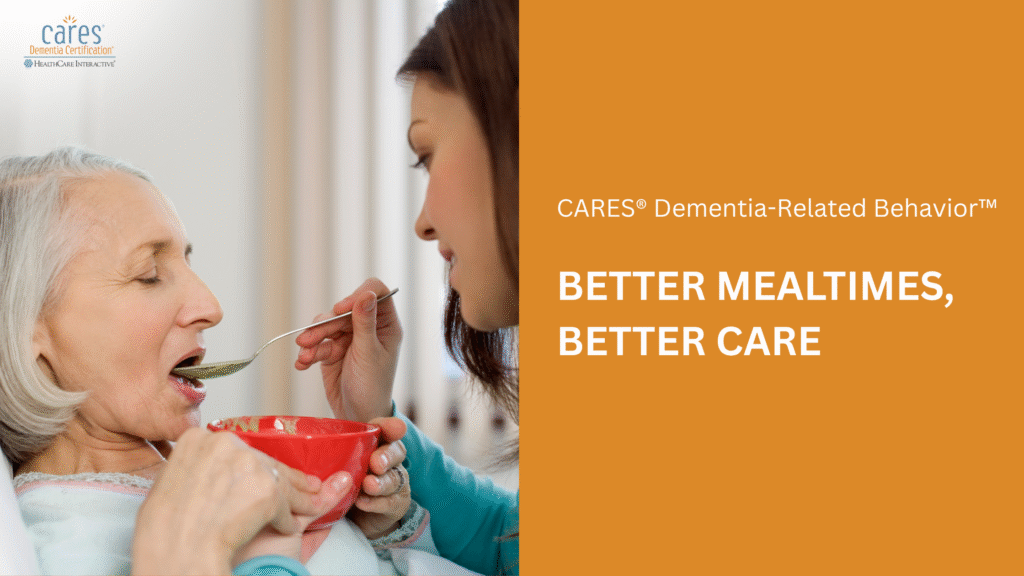
Mealtimes are about more than nutrition—they provide comfort, routine, and meaningful connection. For people living with dementia, changes in memory, attention, vision, and physical abilities can make eating more challenging. Providing effective eating support for dementia helps reduce frustration while encouraging healthier eating habits and a more enjoyable dining experience.
Creating a Positive Mealtime Experience
Simple adjustments can make a significant difference. Ensure the person wears their glasses during meals so they can clearly see their food. Using plates that contrast with both the table and the food makes meals easier to recognize. These dementia mealtime tips help promote independence and reduce confusion.
As people age, sweet flavors often remain the easiest to enjoy. Foods such as yogurt, applesauce, bananas, and nutritious shakes can be helpful for encouraging eating in dementia. Offering smaller meals and healthy snacks throughout the day can also improve food intake and provide better dementia nutrition support.
Supporting Nutrition Through Person-Centered Care
Every individual has unique food preferences and routines. Encouraging family members to share meals or bring favorite foods can create a familiar, comforting environment. Some people also eat better when seated with familiar companions. If someone has difficulty starting to eat, the hand-over-hand technique can gently guide the first movement while encouraging independence. These approaches reflect person-centered dementia care, helping make every meal a positive and respectful experience.
Discover more practical strategies to improve mealtime experiences and support people living with dementia. Strengthen your caregiving skills with CARES® Training and enjoy 10% off using code SummerFun through August 31, 2026.