

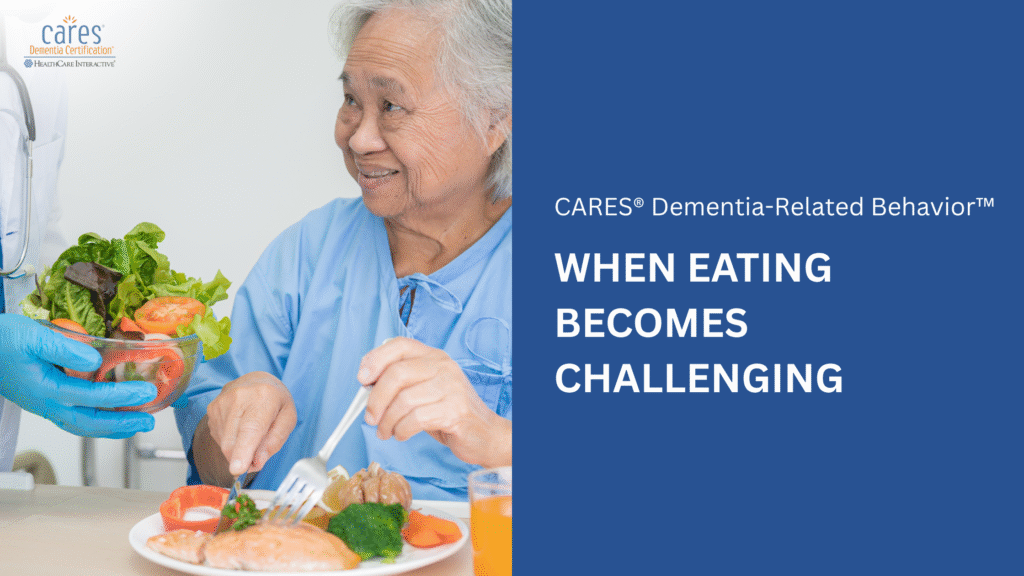
As dementia progresses, eating may become more difficult due to changes in memory, coordination, and swallowing. Identifying dementia eating difficulties early helps caregivers respond quickly, reduce health risks, and ensure the person receives the appropriate care and support.
Signs That Should Never Be Ignored
Caregivers should watch for changes during meals and report them to the healthcare team. Important signs include:
• Trouble using a fork or spoon
• Difficulty staying focused while eating
• Spitting out favourite foods
• Pain when eating
• Eating less than half of a meal
• Trouble chewing
• Swallowing problems in dementia
• Drooling or food leaking from the mouth
• Coughing before, during, or after swallowing
• Choking while eating or drinking
• Increased congestion or a runny nose after meals
• A wet, hoarse, or gurgling voice after eating
• Holding food in the mouth or throat
• Refusing to open the mouth or accept food
These symptoms may indicate changing needs that require professional assessment and timely intervention.
Early Action Supports Better Outcomes
Monitoring nutrition in dementia is an essential part of quality care. Reporting changes promptly allows healthcare professionals to adjust care plans and improve mealtime safety for seniors. Careful observation, clear communication, and compassionate support help caregivers protect health while preserving dignity and comfort.
Learn practical strategies to recognize changing mealtime needs with confidence. Build your caregiving skills with CARES® Training and enjoy 10% off using code SummerFun through September 30, 2026.